

Surajmal Shobhachand supplies cotton twill and drill fabric, chinos, cargo trousers, shorts and overshirts from India. We source variants beyond the catalogue to your brief.
Twill is a woven fabric with a diagonal pattern formed by the weave.
Twill garments we supply
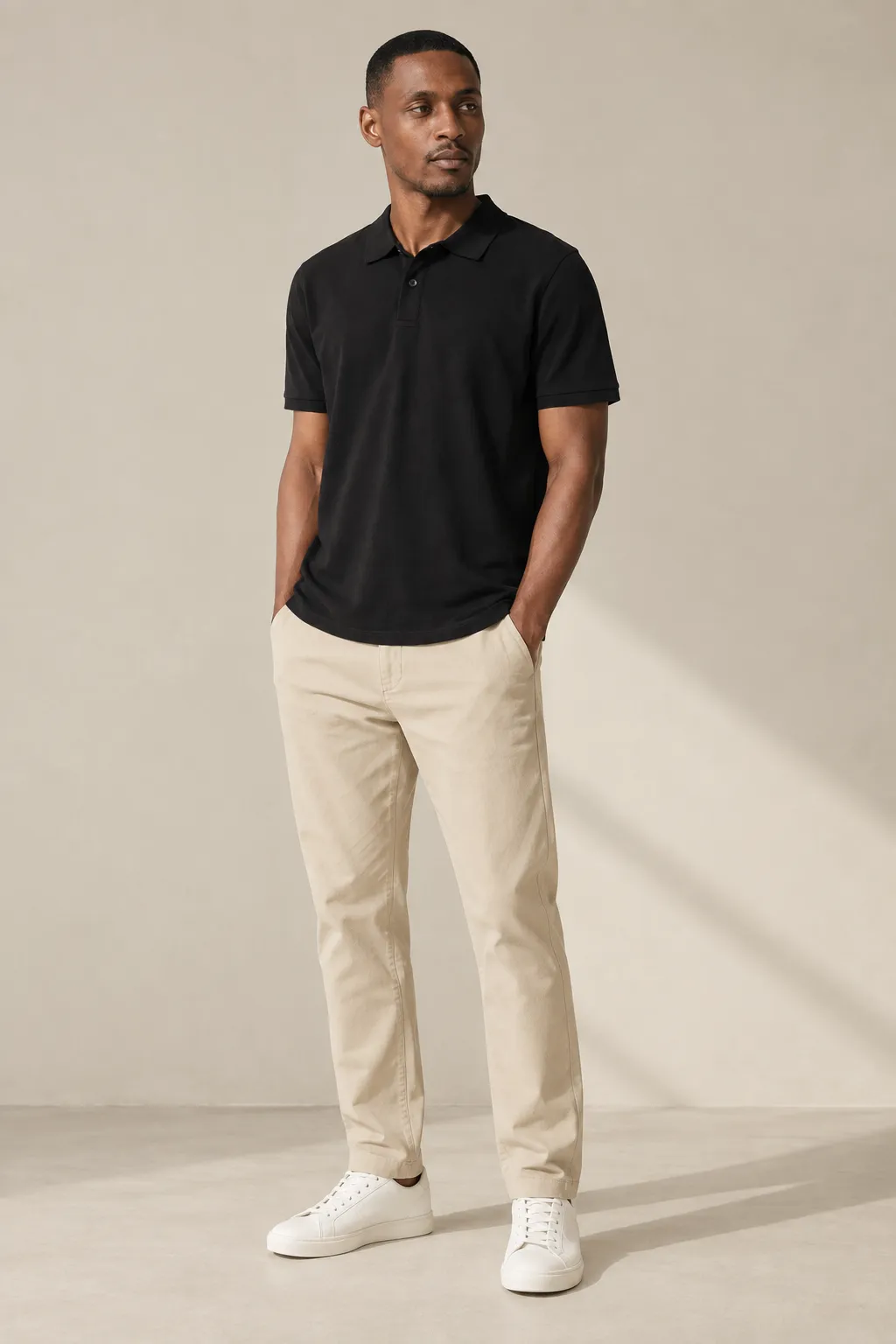
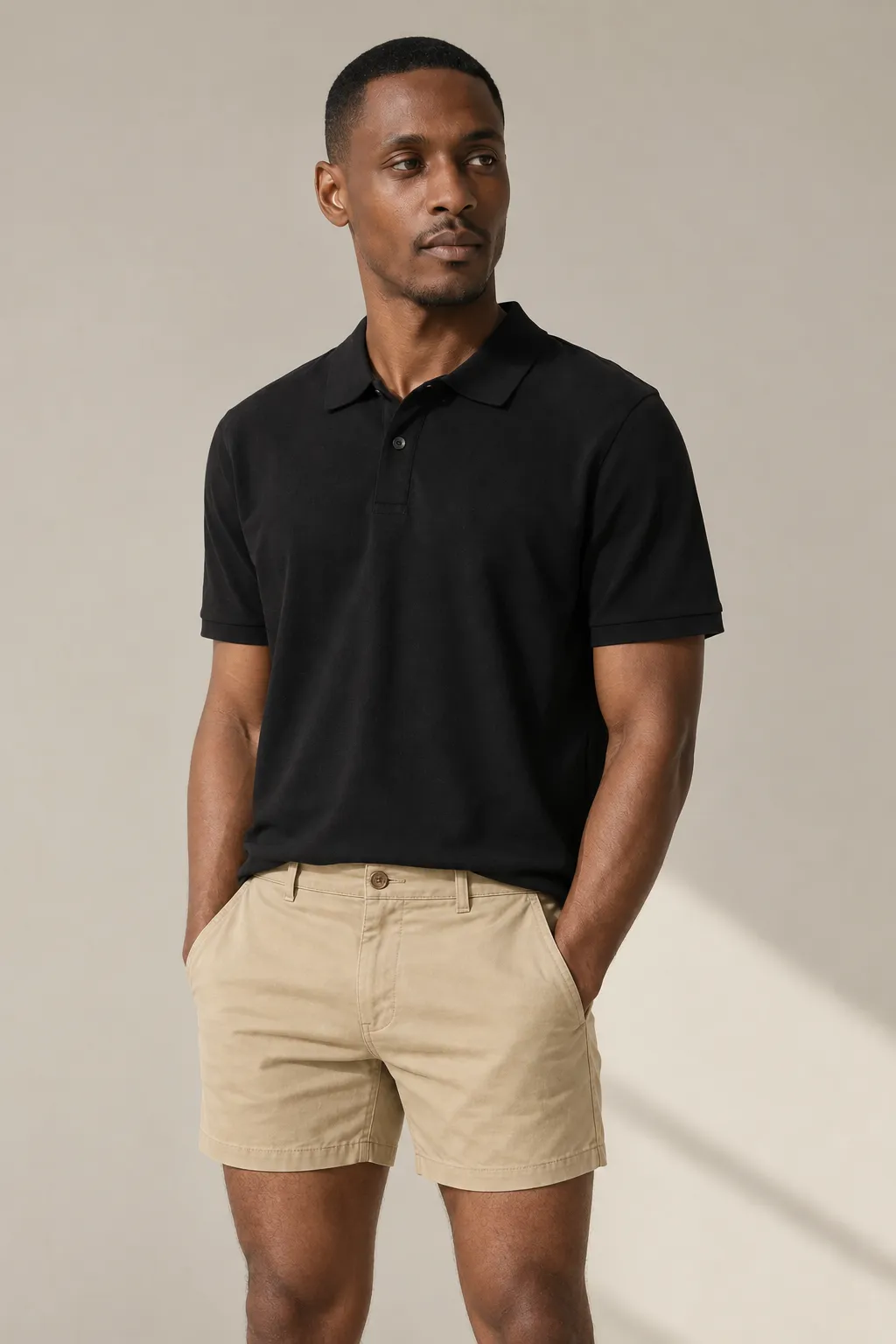
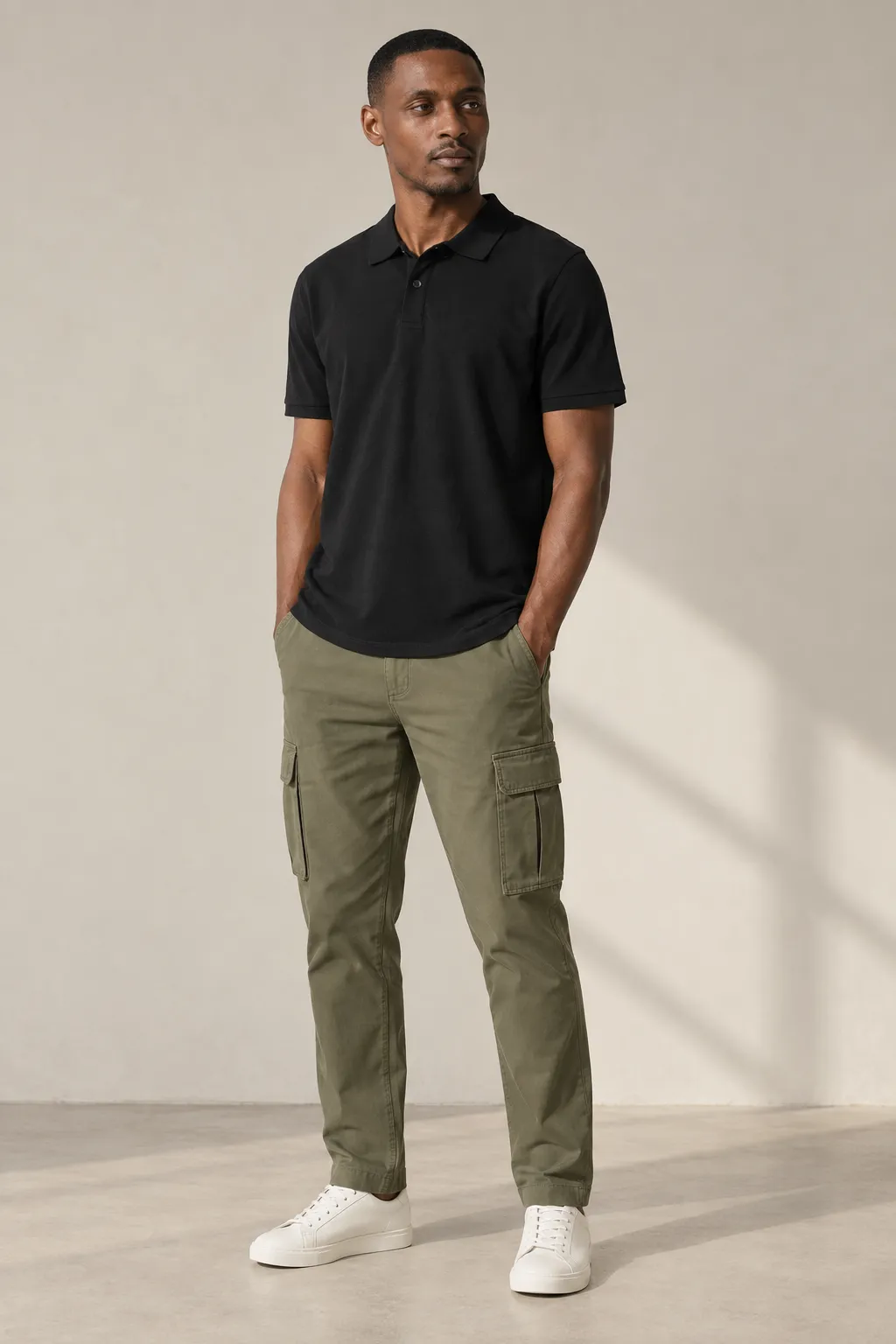
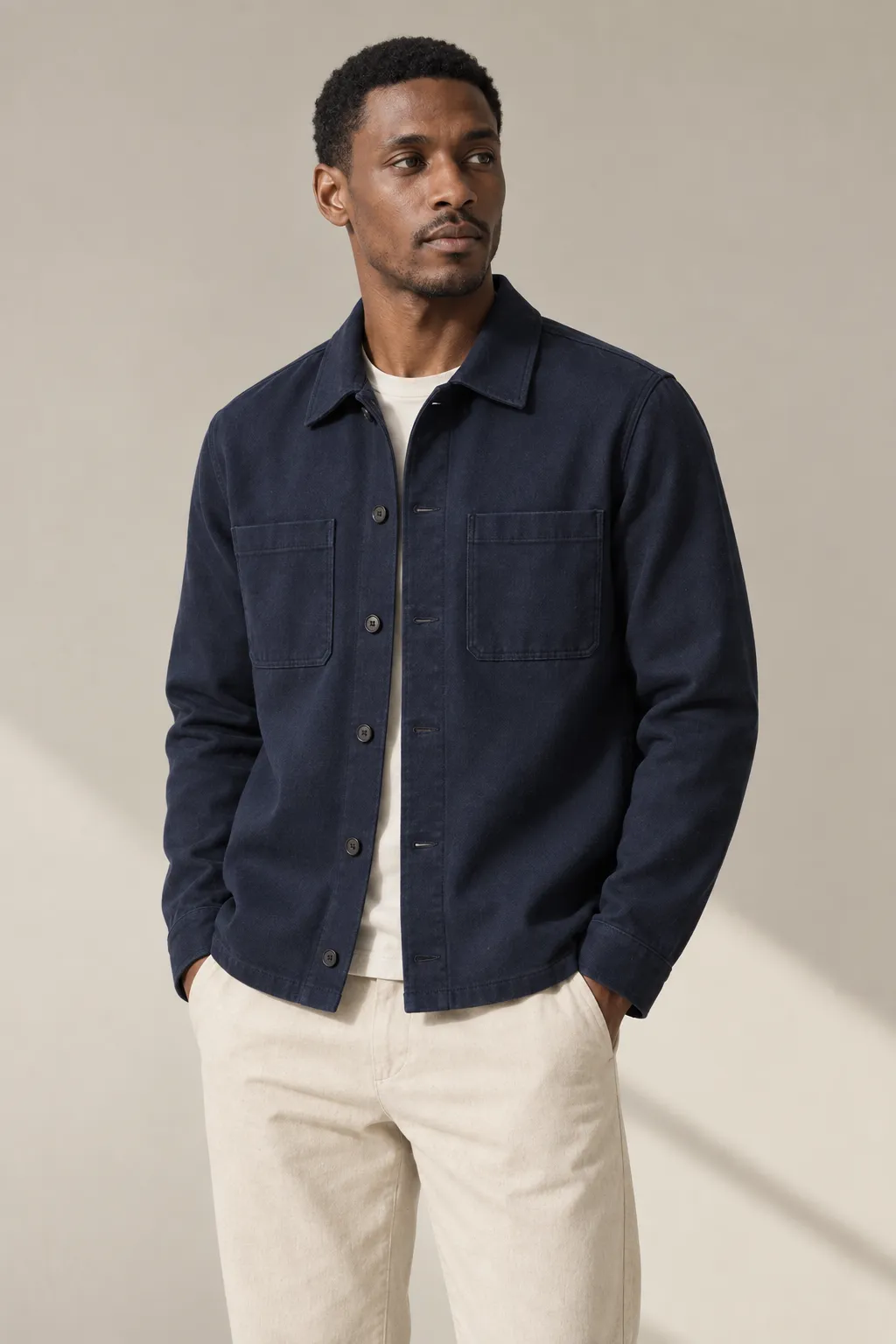
Have a style in mind? Send a reference garment and the quantity, and we quote it in twill.
Request a similar style→Stretch twill by weight, from our catalogue
Cotton and spandex twill as the house catalogue holds it, shown greige, before dyeing and finishing. Weights are approximate.
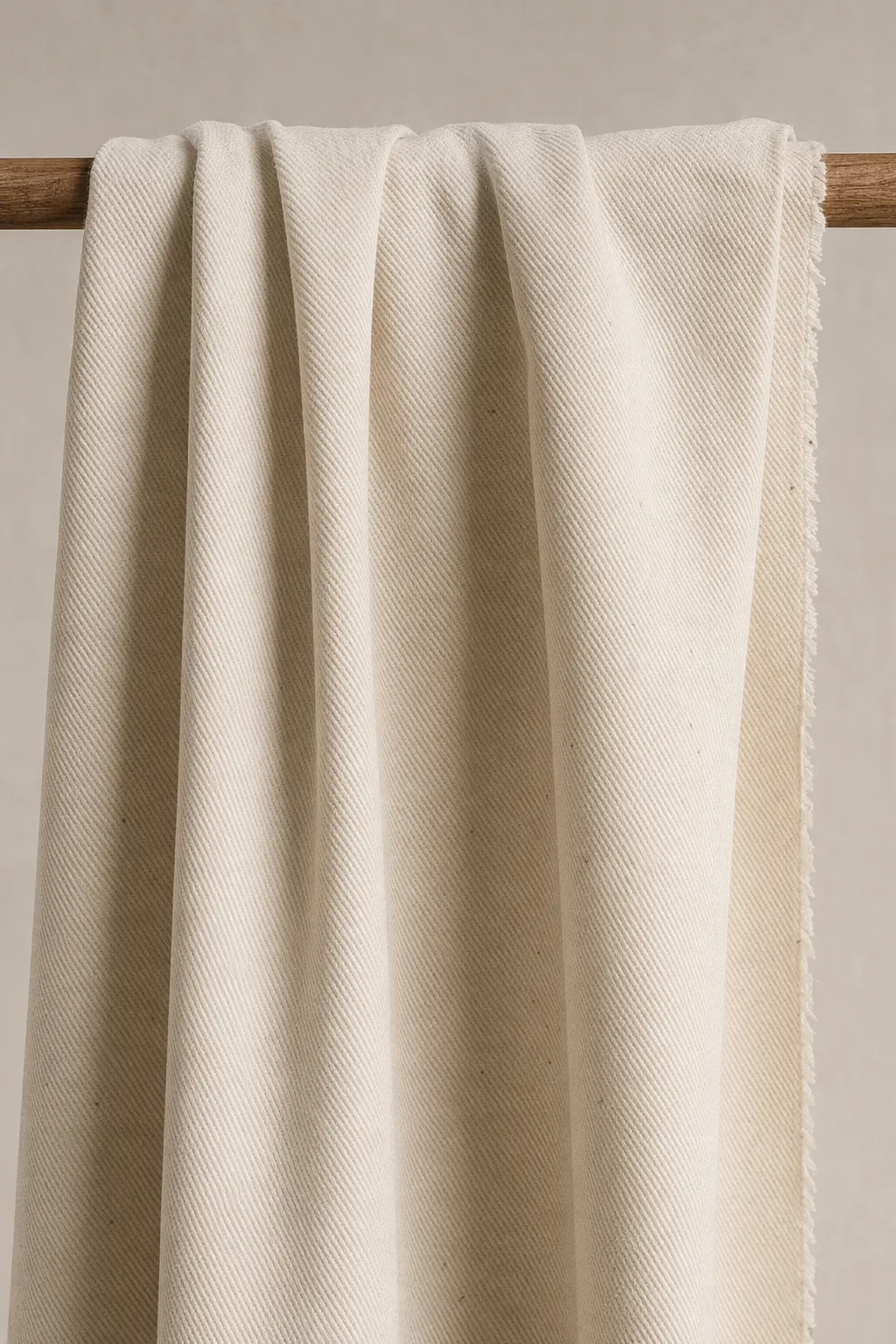
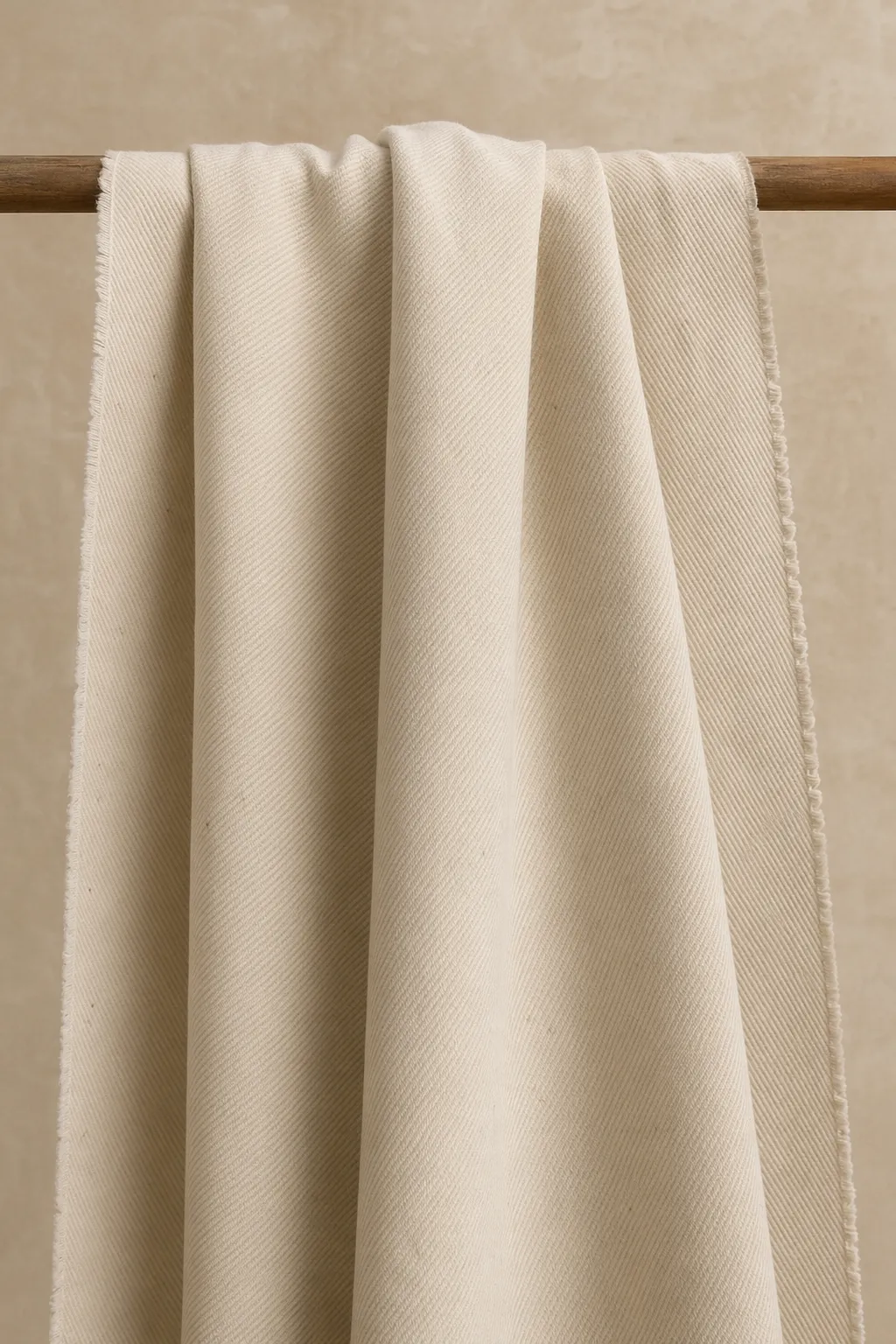
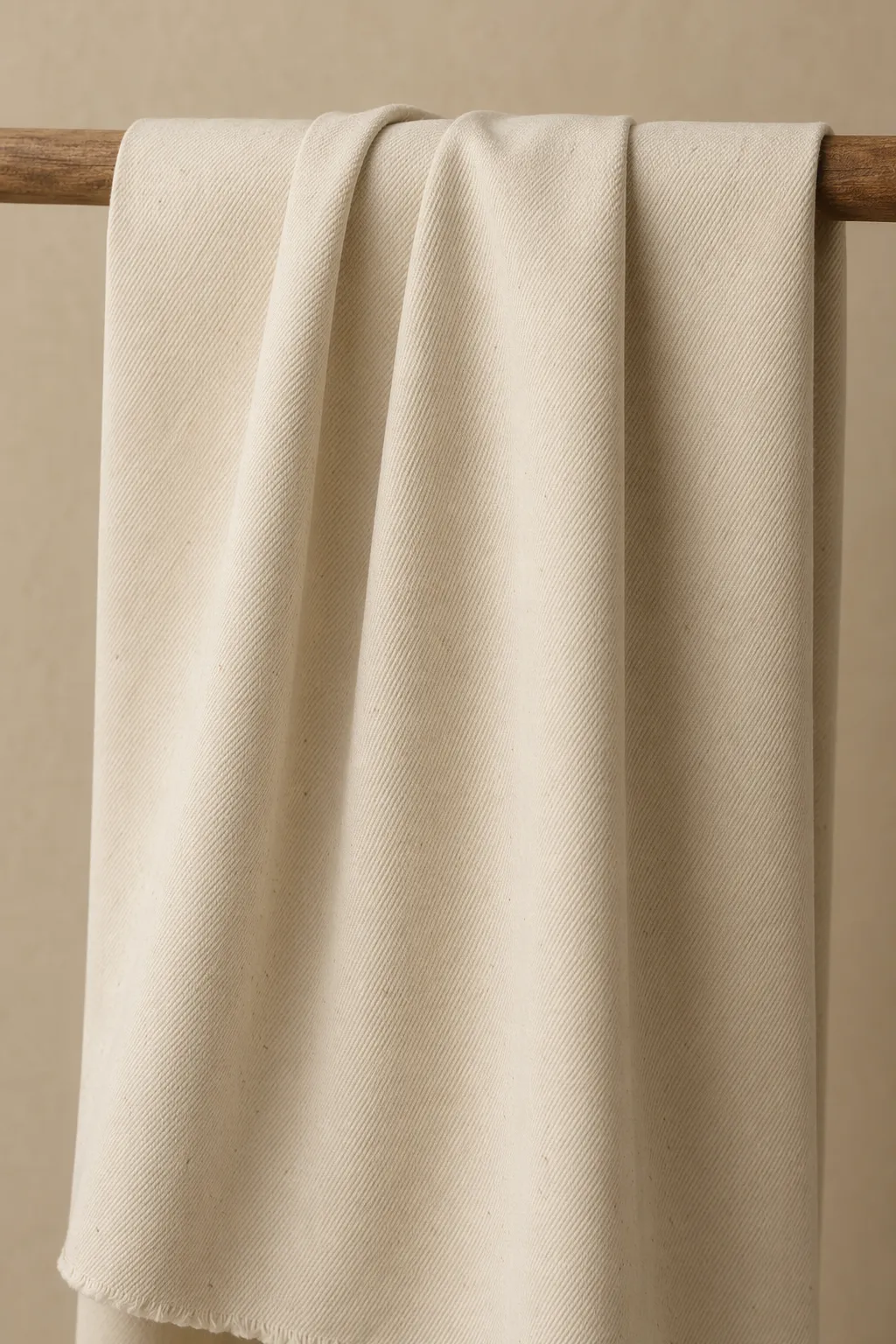
Enquire about twill fabric at your chosen weight
Send a construction line or fabric reference, with the finished weight and metres required, for a twill or drill fabric quote.
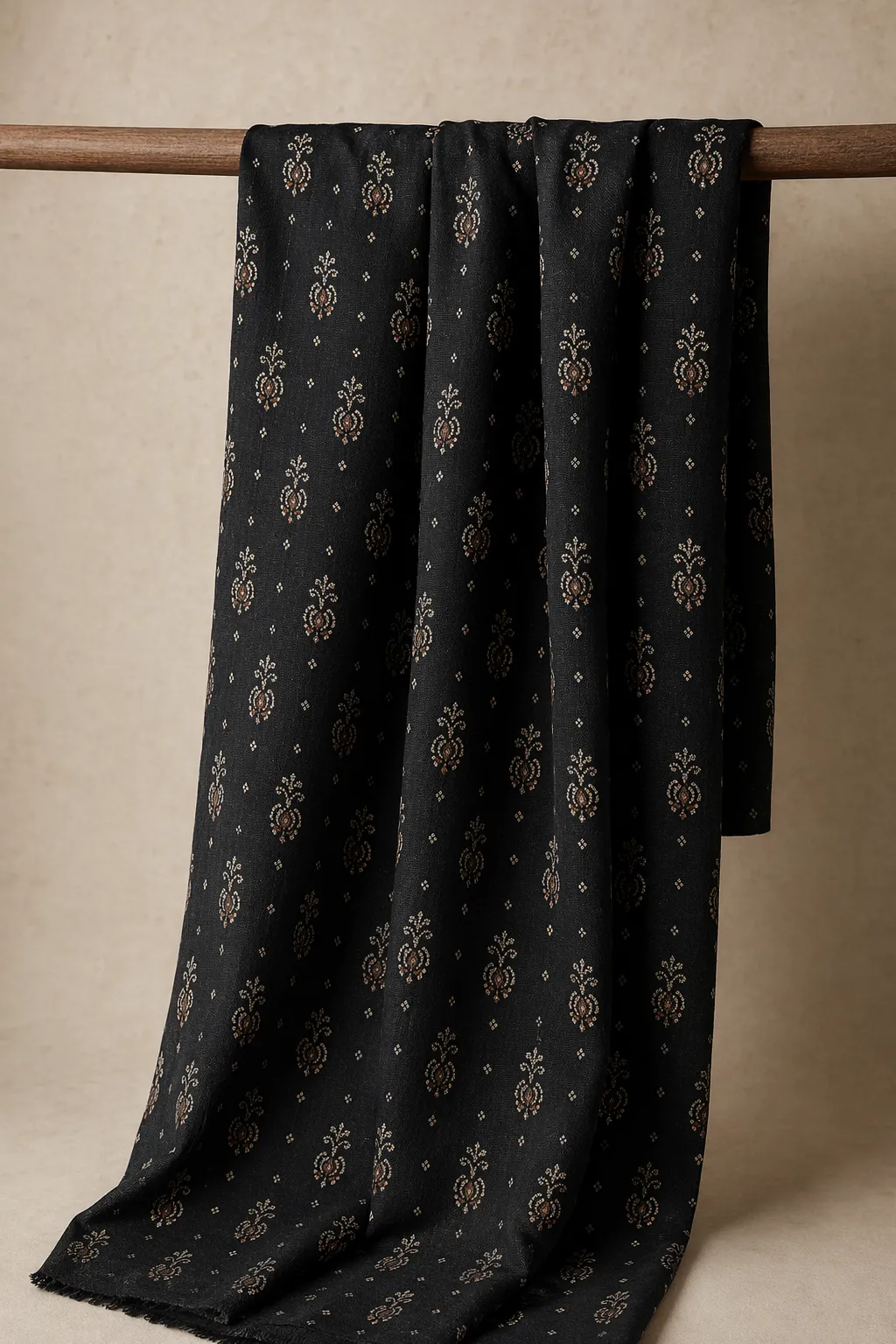
Twill qualities in our catalogue
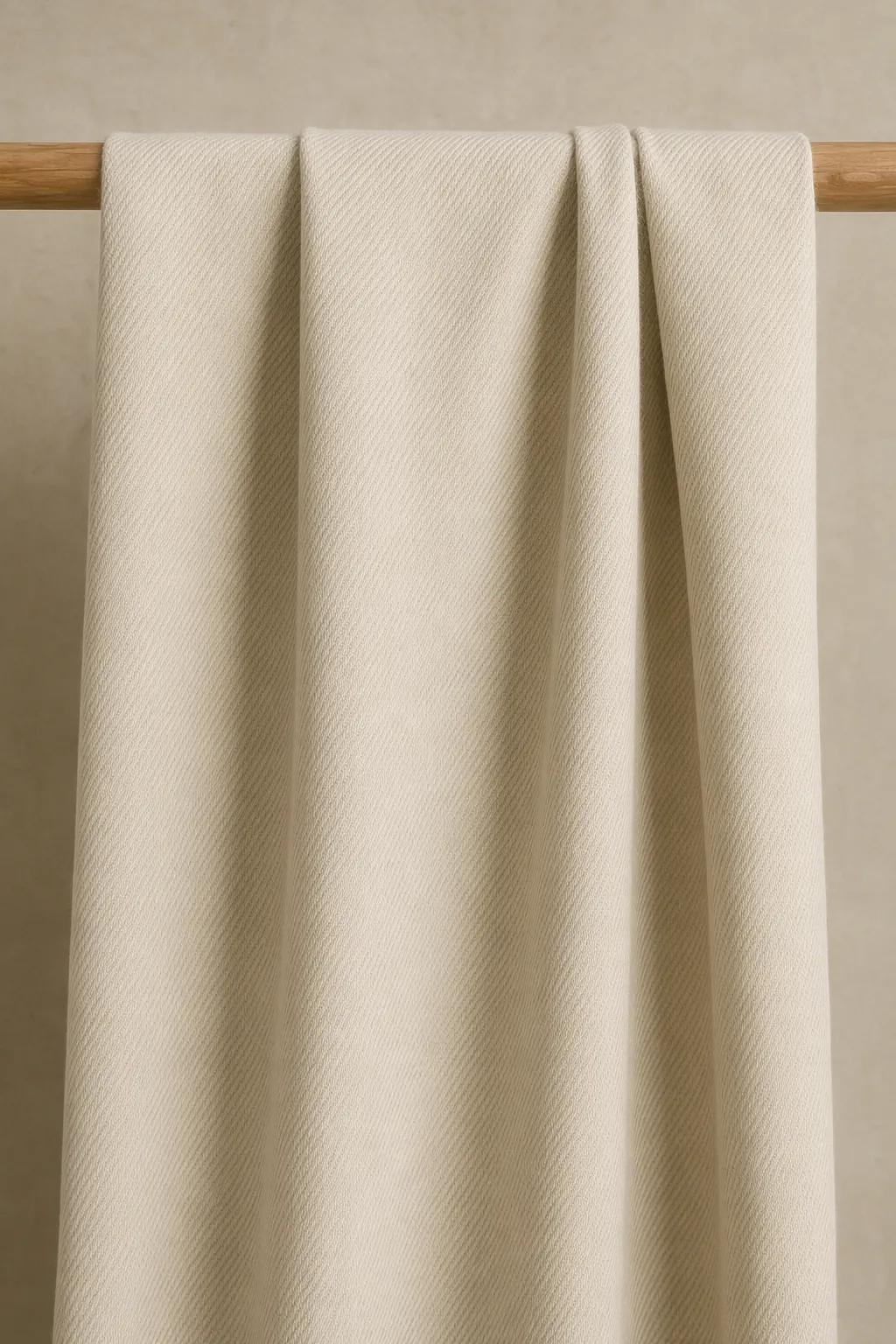
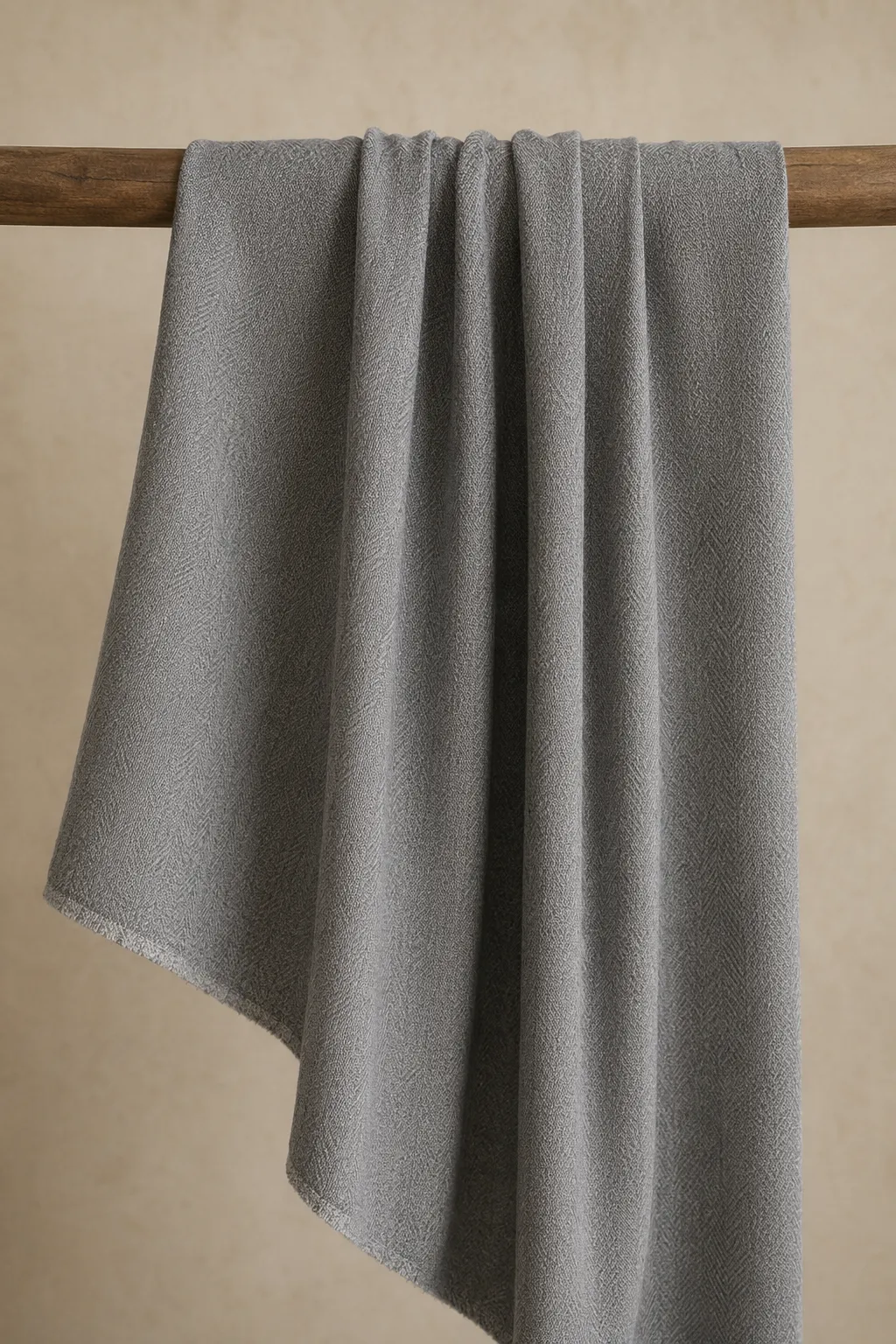
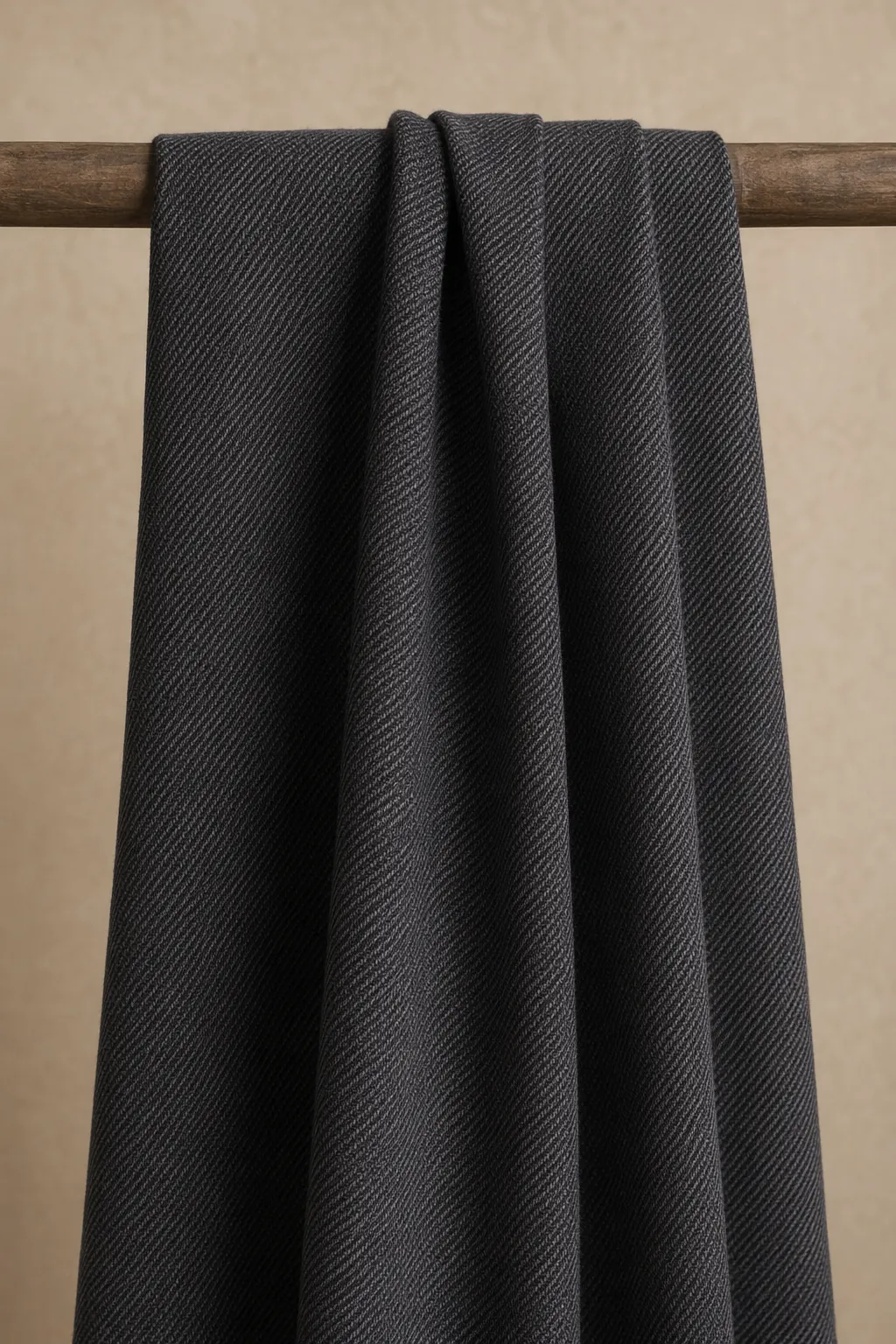
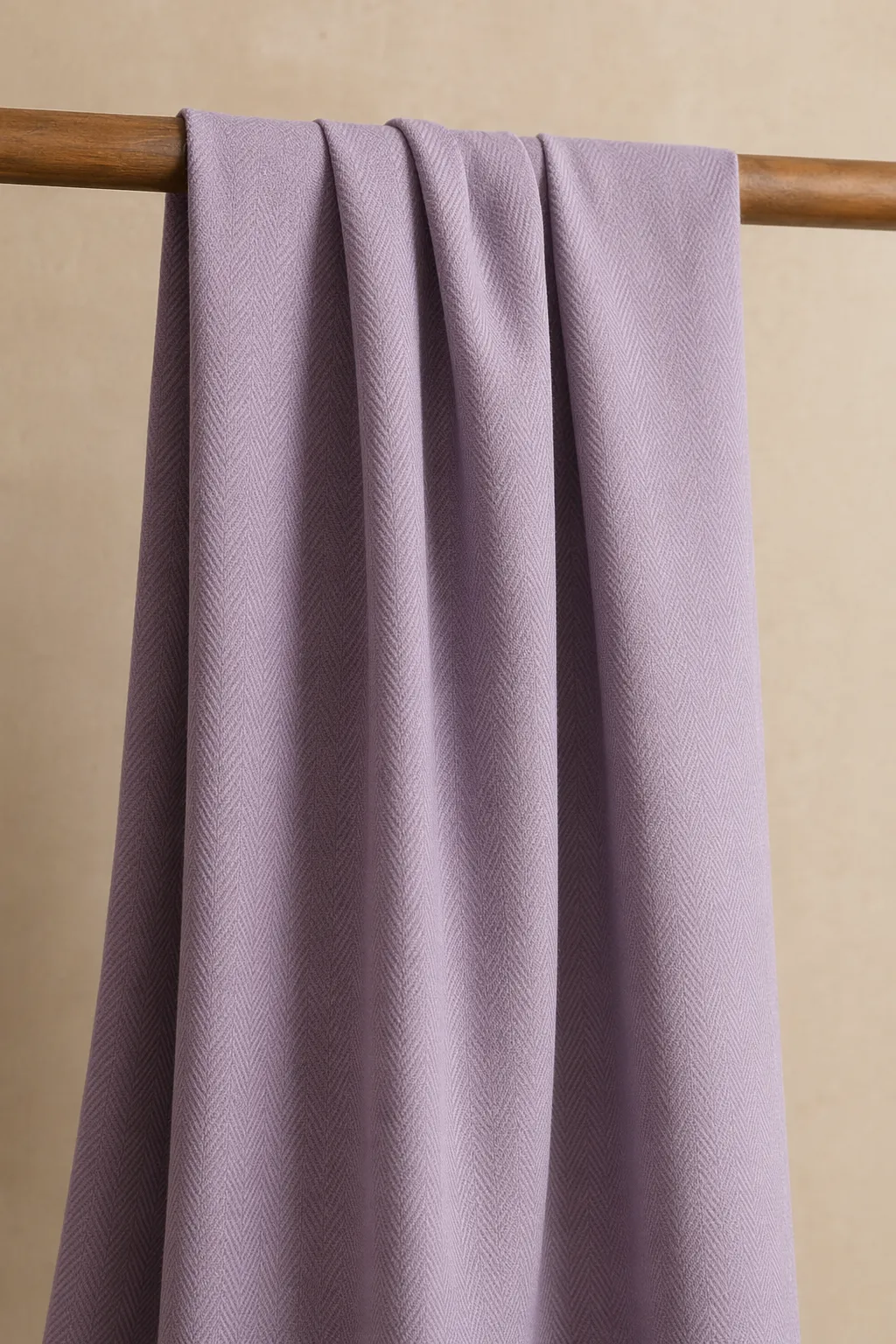
Specifying twill on a tech pack
- Garment or fabric supply
- State the garment type or fabric-only requirement, with the quality reference if you have one.
- Fibre content
- Give each fibre and its percentage, including elastane for a stretch quality.
- Weave and direction
- State the twill ratio and right-hand or left-hand direction. For herringbone, the twill direction changes in parallel columns.
- Yarn counts and density
- Write warp first, then weft, for both pairs. In the cotton 2/2 quality, 2/40s × 12s, 135 × 60 means two-ply 40s warp and single 12s weft, with 135 ends and 60 picks per inch. The yarn count converter converts between count systems.
- Finished GSM and width
- Give the finished weight in g/m² and usable width.
- Colour and finish
- State the colour reference, required hand and finish. Include garment dyeing if it is part of the style.
- Stretch and recovery
- Specify the stretch direction, required stretch and recovery, and allowed growth.
- Quantity
- Give metres for fabric, or pieces by style and colour for garments.
Not sure of every line? Tell us what you are planning, and we will advise on what works best.
Send this as a brief→Tests for twill fabric and garments
| Test | Method | What it measures |
|---|---|---|
| Stretch and recovery[1] | ASTM D3107 | Fabric stretch, growth and recovery, with calculations selected for the specification. |
| Fabric skew[2] | AATCC TM179 | Change in fabric skew after home laundering. |
| Garment spirality[3] | ISO 16322-3 | Spirality or torque of woven and knitted garments after domestic laundering. |
| Seam slippage[4] | ISO 13936-2 | Resistance to yarn slippage at a sewn seam, using the fixed-load method. |
| Abrasion[5] | ASTM D4966 | Fabric abrasion resistance on the Martindale tester. |
| Tensile strength[6] | ISO 13934-1 | Maximum force and elongation at maximum force, using the strip method. |
Common questions about twill
What GSM should I specify for chinos or cargo trousers?
Specify the finished weight in g/m² alongside the construction and required hand. Use a fabric reference for the garment to agree the weight.
What is drill fabric?
Drill is a diagonal-weave fabric used for shirts, suiting and uniforms. State its construction and weight on the brief.
Is twill always cotton?
No. Our catalogue also includes cotton/viscose and polyester/viscose twills. Specify the fibre blend separately from the weave.
How does twill compare with poplin and oxford?
Poplin is a plain weave; oxford is a basket weave. Plain weave tends to be stiffer, with less drape than twill.
Are denim and chino cloth types of twill?
Yes. Traditional denim is cotton twill with an indigo warp and white weft. Chino cloth uses a warp-faced twill in cotton or cotton/polyester.
Can I buy twill fabric without ordering garments?
Yes. We supply twill fabric on its own, by the metre.
A question this does not answer? Ask us directly and we reply within 24 hours.
Planning a twill garment range?
Send the styles, colourways and quantities for your chino, cargo or overshirt range. We reply within 24 hours.
Discuss your requirement→