


Knitwear
T-shirts, polos and sweats in jersey, rib and fleece, with fit, weight and finish developed to your brief.
View rangeSurajmal Shobhachand develops knitwear, woven garments, fabrics and yarns for Germany, from repeat orders to seasonal ranges. Programmes run through India or Bangladesh, with the production base agreed against your product, quantity and delivery requirements.
T-shirts, polos and sweats in jersey, rib and fleece, with fit, weight and finish developed to your brief.
View range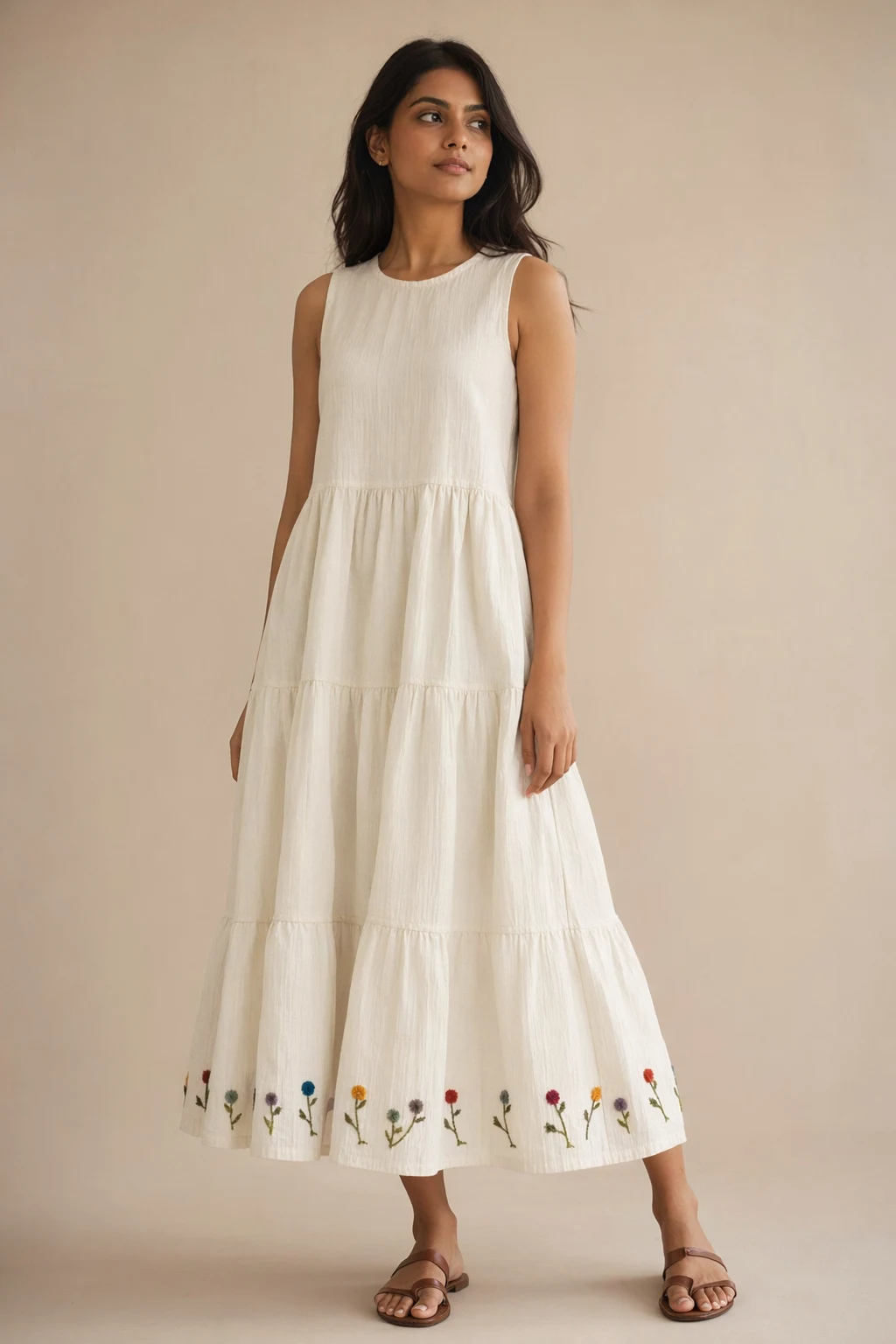
Shirts, blouses, dresses and trousers, from repeat styles to seasonal collections for women, men and children.
View range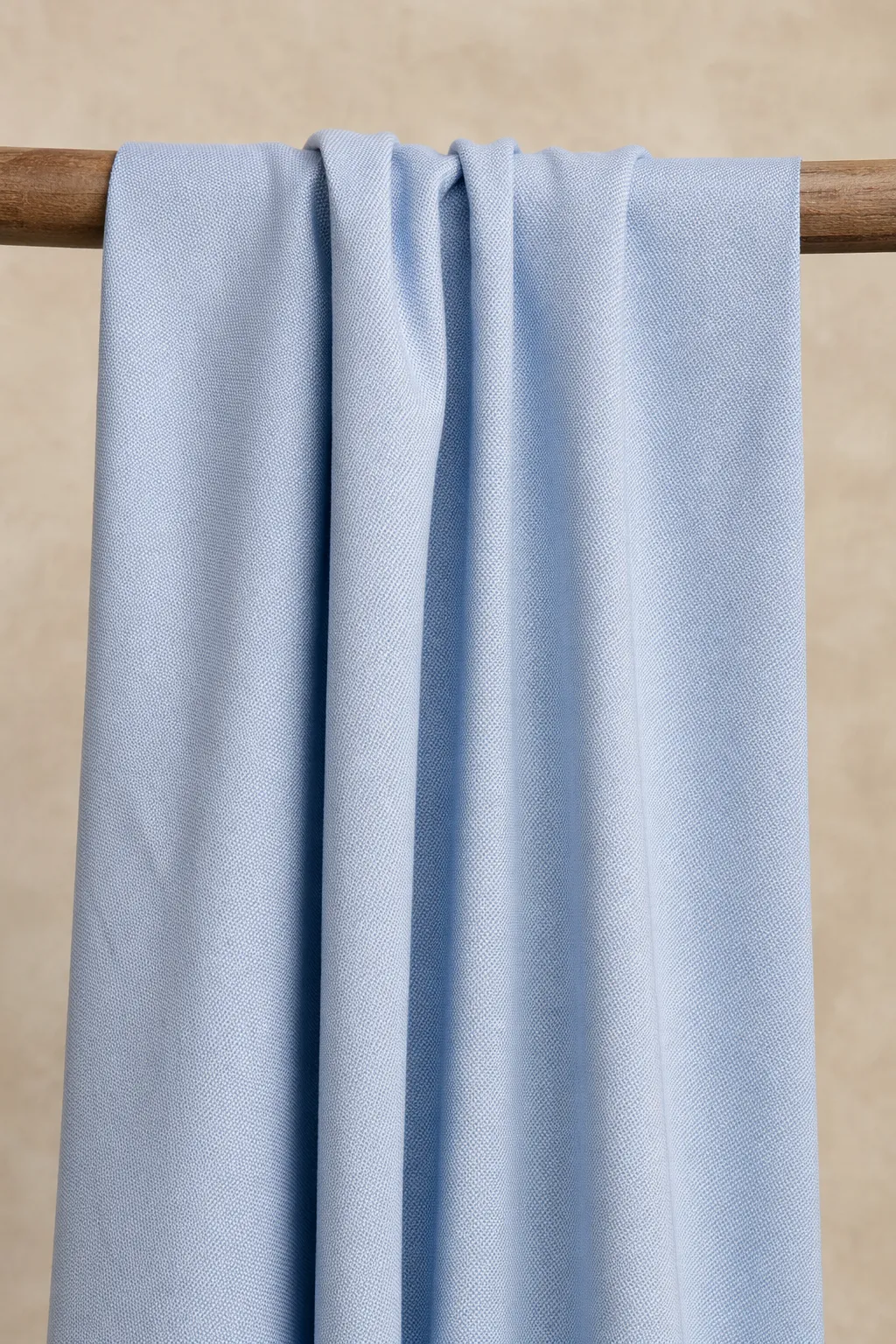
Woven and knitted cloth, greige, dyed or finished, to the composition, weight and usable width in your brief.
View range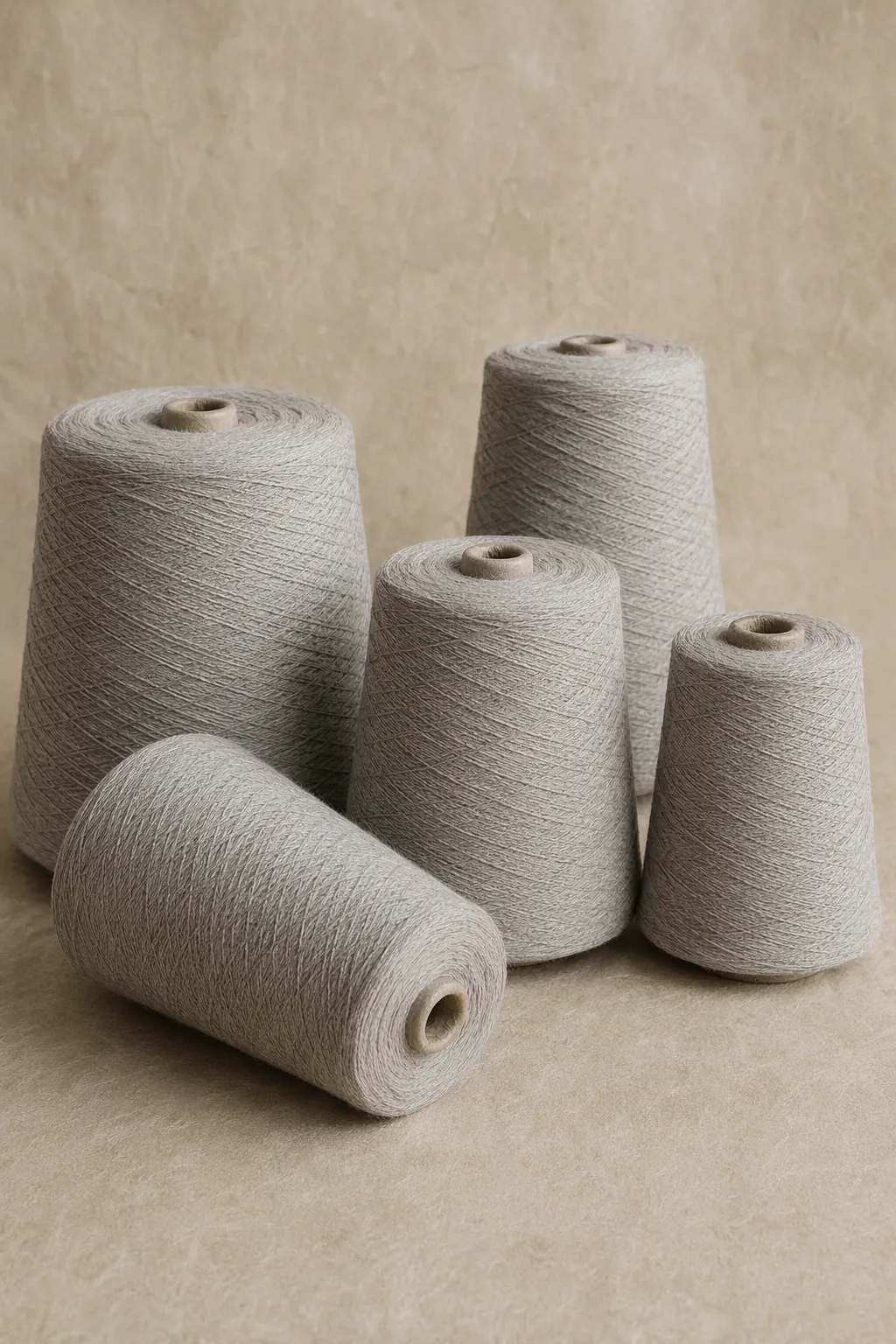
Ring-spun, open-end, combed and carded options, with count and blend matched to your end use.
View rangeSurajmal Shobhachand prepares the product specification, German label artwork and agreed records during development. Your approvals carry through to production, packing and handover.

Agree the silhouette, piqué weight, composition, colour and finish against your reference and intended use.
Review the fit, measurements, collar, placket and stitching. The approved sample sets the standard for bulk.
Review the German fibre declaration, brand artwork and packing specification together before production.
Agree the testing and certification evidence with the brief. The agreed reports, inspection records and export documents accompany the order.
What the order will carry is agreed before development closes, then assembled as production runs, so the paperwork travels with the goods.
Fibre composition is labelled or marked in German. Further languages may be added alongside it, and we set the artwork for every version at development.[1]
The fibre declaration is based on the facts supporting the stated fibre composition. Manufacturers and importers retain those supporting documents for two calendar years, starting at the end of the calendar year in which the last related product was placed on the market.[1]
The Supply Chain Due Diligence Act places its duties on the German company. For a direct supplier, appropriate preventive measures include considering the company’s human-rights and environmental expectations in supplier selection, obtaining a contractual assurance that those expectations will be met and addressed through the supply chain, providing training to enforce that assurance, and agreeing appropriate contractual checks carried out on a risk basis.[2]
The EU due diligence directive was amended in February 2026 and applies to companies in scope from 26 July 2029. It binds the company in scope, and reaches a supplier through the contract.[3][4][5][6]
The state textile label sets corporate due diligence requirements and product criteria met through recognised certification labels. Where a programme runs to it, the certification evidence goes with the order.[7]
Guidance last reviewed 22 August 2026 · Disclaimer
Share the product, quantities and required arrival date. Surajmal Shobhachand confirms the development scope, minimum order, indicative cost and shipping arrangements with your quotation.
After brief confirmation; development scope agreed at the start.
After approval, depending on construction and quantity.
Set per style or material and confirmed at enquiry.
Production and shipping planned against your required arrival date.
For fabric, yarn and specialist development, we confirm sample and production timings against your brief.
Yes. A product photograph, reference sample or short written brief is enough to start. Include quantities and a target delivery date where available. We work through measurements, materials and construction during development.
We work across a wide range, from small and emerging brands to the largest global retailers. Minimums are set per style and confirmed at enquiry. For fabric or yarn, share the required metres or weight and the colour breakdown.
The product sample, measurements, construction, finish, physical labels and packing method. We record the approved specification and the agreed testing and certification evidence before scheduled bulk begins.
The audit reports, certification records and material-traceability documents agreed for the programme, assembled during production. Our sustainability page sets out the certification groups and the independent bodies behind them.
Tell us the product, approximate quantity and target delivery date, where available. A short written brief is enough to start.
Discuss your requirement→We respond within 24 hours with the next steps for development and costing.