

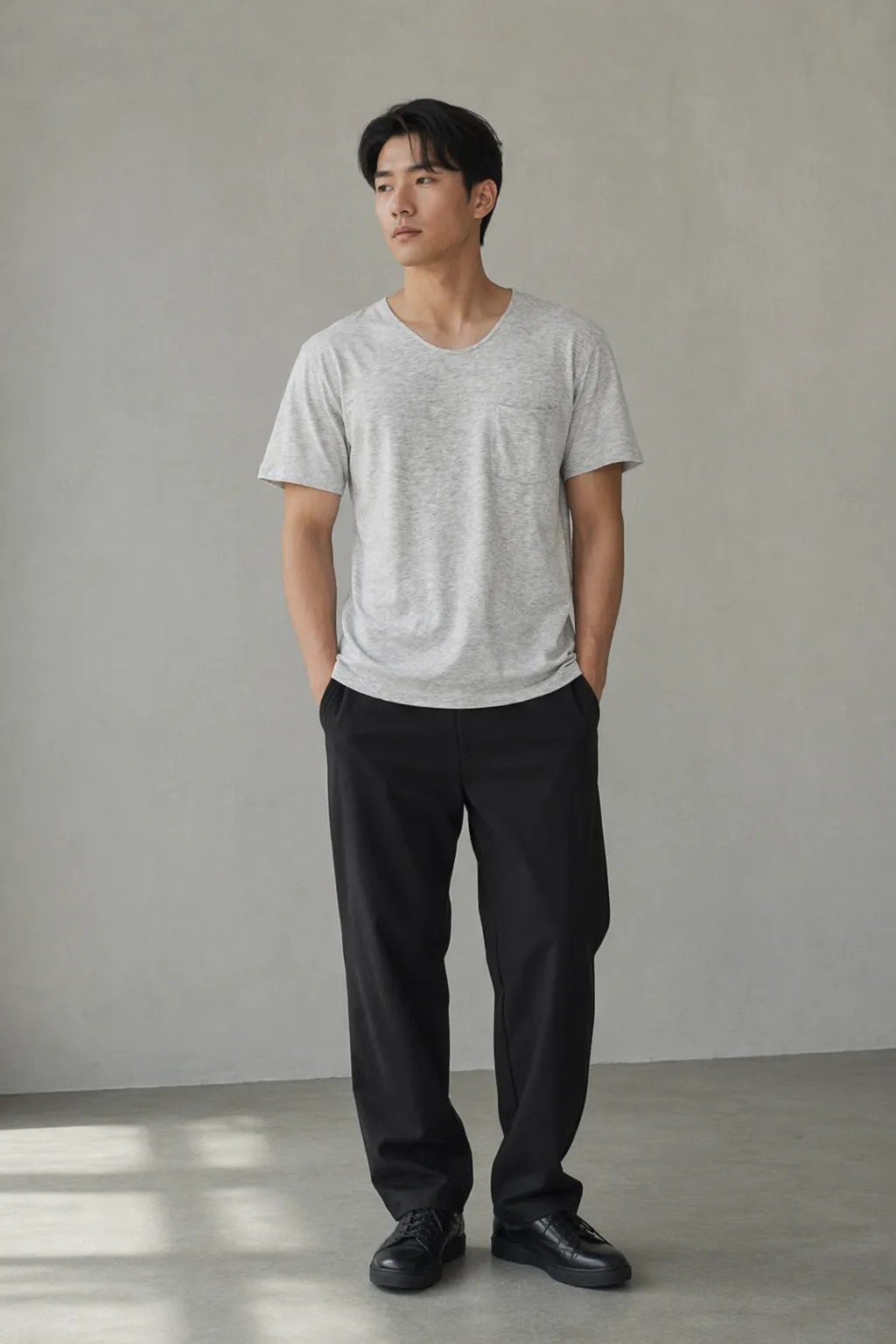
Knitwear
T-shirts, polos and sweats in jersey, rib and fleece, with fit, weight and finish developed to your brief.
View rangeSurajmal Shobhachand handles knitwear, woven garments, kidswear, fabrics and yarns for Singapore, Malaysia, Thailand, Indonesia, the Philippines and Vietnam. Name each sales destination and intended wearer in the brief so label, safety and conformity work can be scoped for that order. Production through India or Bangladesh is assessed against the specification, quantity and delivery target.
T-shirts, polos and sweats in jersey, rib and fleece, with fit, weight and finish developed to your brief.
View range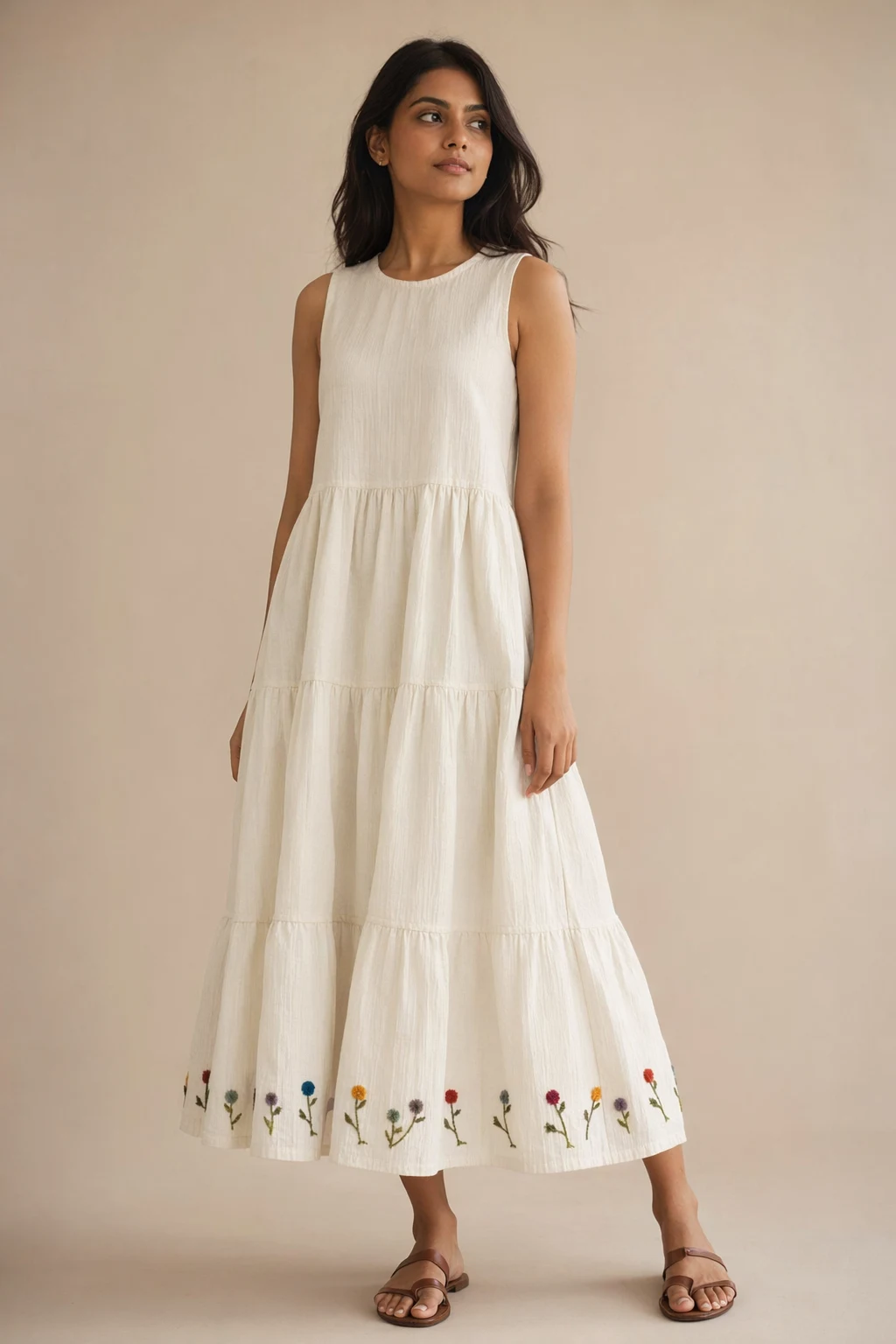
Shirts, blouses, dresses and trousers, from repeat styles to seasonal collections for women, men and children.
View range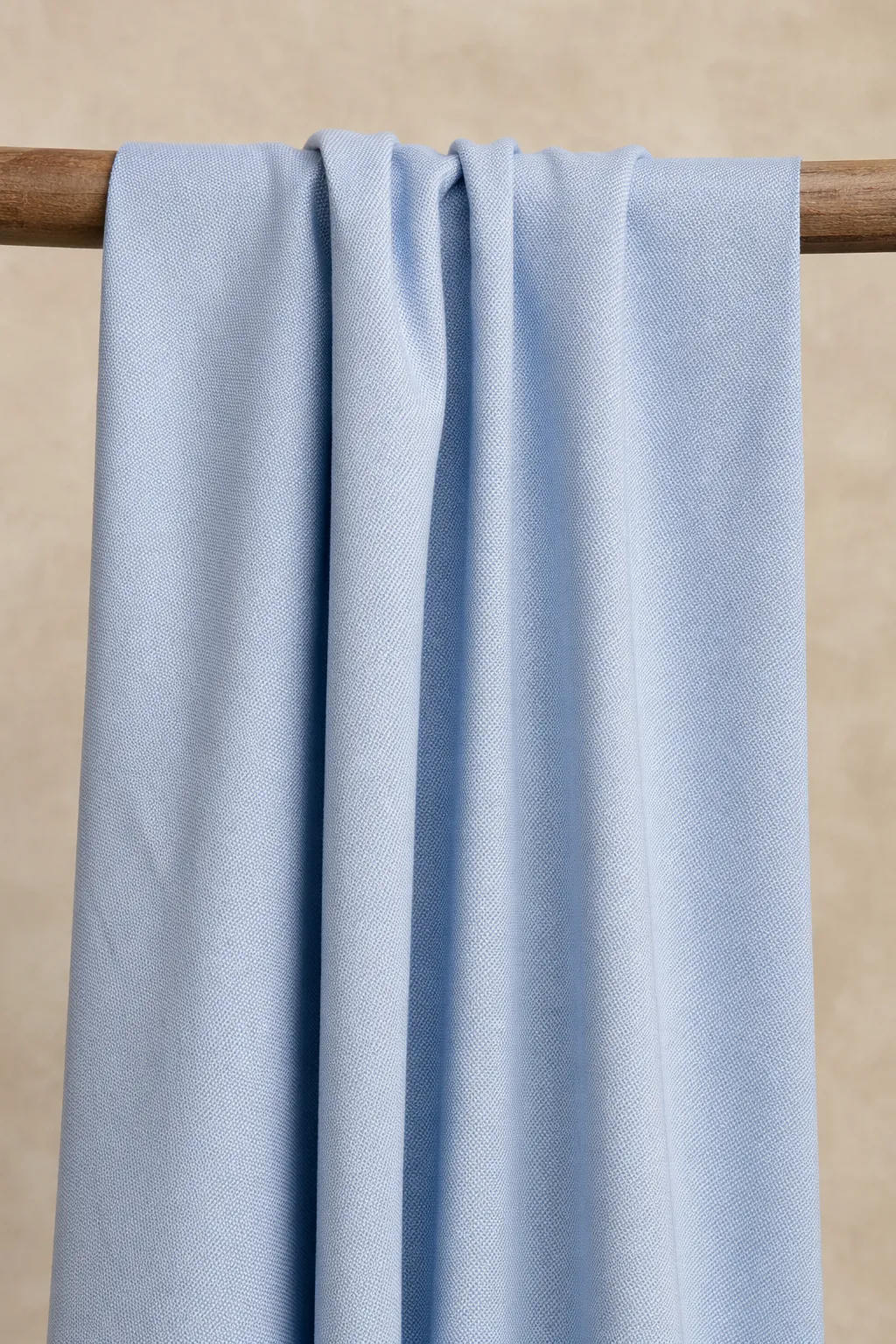
Woven and knitted cloth, greige, dyed or finished, to the composition, weight and usable width in your brief.
View range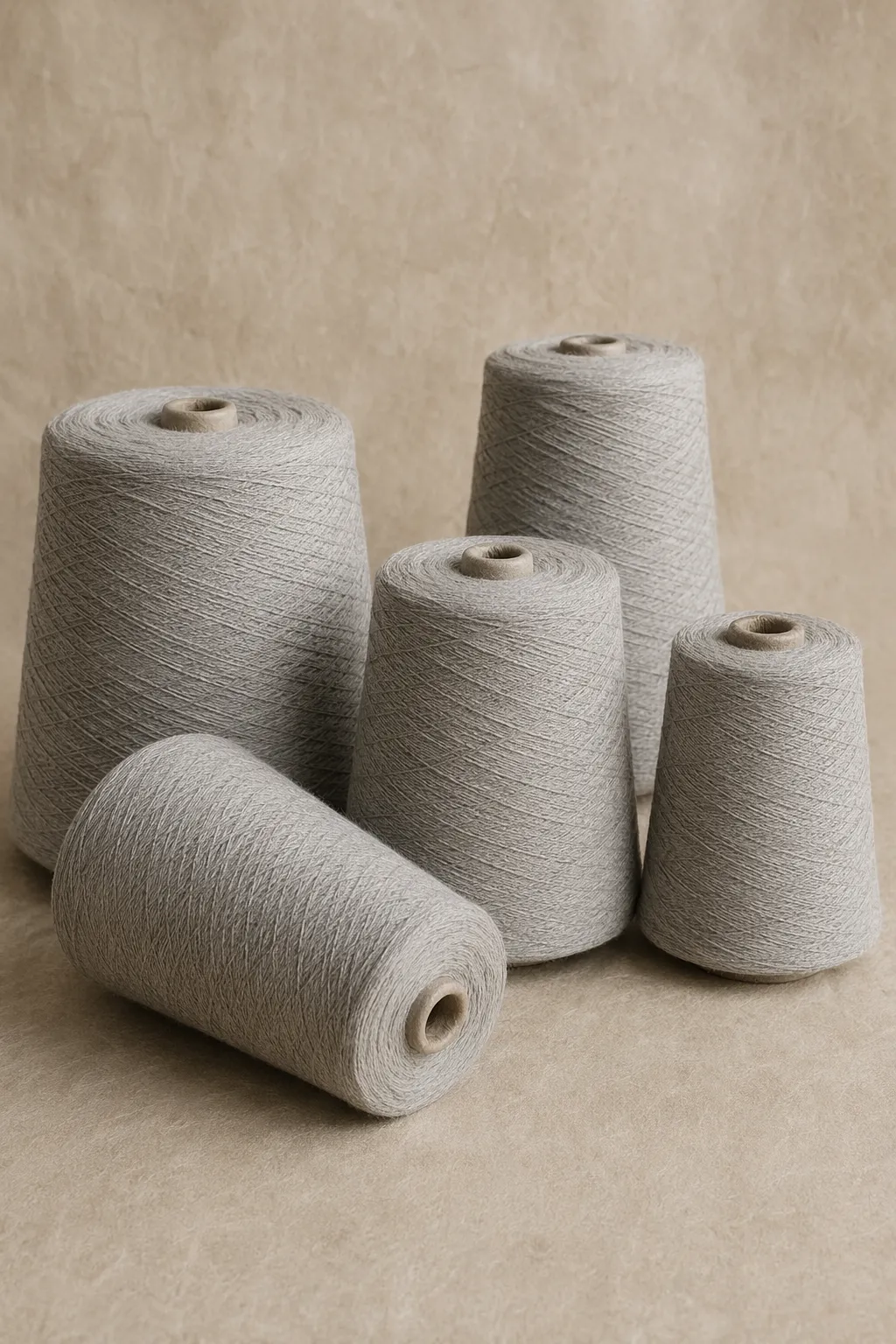
Ring-spun, open-end, combed and carded options, with count and blend matched to your end use.
View rangeThe selling country and intended wearer belong in the first brief. Surajmal Shobhachand uses them to define the label versions, product checks and responsible-party information before sample and bulk approval.
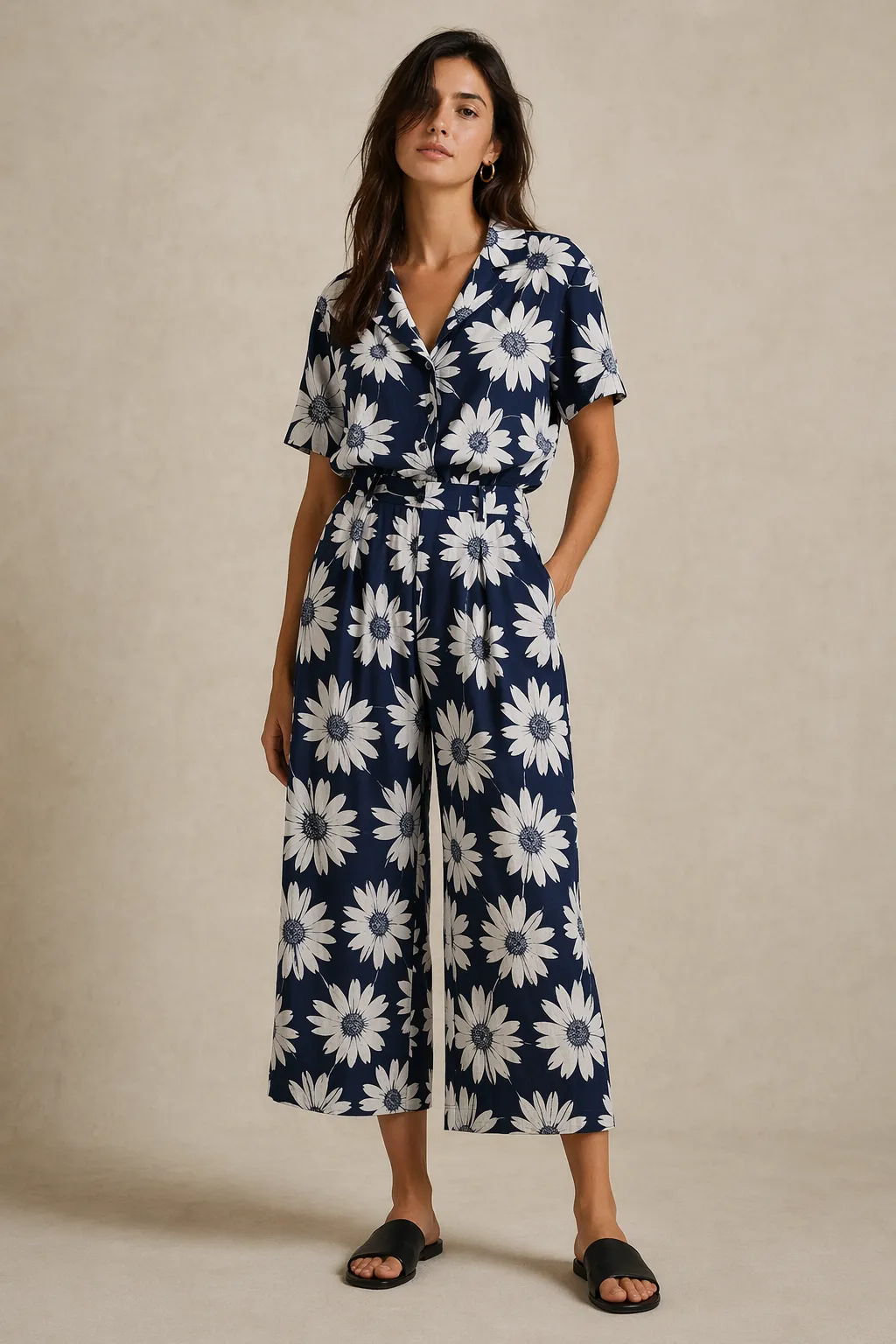
Set the fabric, print, colour and measurements for each garment so the set is reviewed as one product brief.
Confirm the intended age group, sales countries and quantities before settling the applicable product checks.
Agree language versions and collect the relevant importer or responsible-party details for each destination label.
Approve physical labels, size pairing, packing and the agreed testing or conformity records before bulk production.
Each destination sets its own language, responsible-party and conformity requirements, so each one is approved on its own terms before bulk.
The Consumer Protection (Consumer Goods Safety Requirements) Regulations apply to apparel. Children’s upper outerwear is assessed against EN 14682 or ASTM F1816, so neck, hood and waist cords are settled at the construction stage.[1][2]
The Trade Descriptions Act 2011 prohibits false trade descriptions, including composition and origin claims. We prepare fibre, care, size and origin content from the approved garment specification and the importer’s requirements.[3]
Finished clothing is label-controlled and carries Thai-language consumer information: the Thai-registered importer or ordering party, address, date of manufacture and price in Thai baht. Another language may sit alongside the Thai but not in place of it.[4]
Garment categories listed in Minister of Trade Regulation No. 25 of 2021 carry the required field set in Bahasa Indonesia. Baby clothing up to 36 months additionally requires SNI 7617 conformity certification.[5][6]
Article 77 of the Consumer Act requires a locally addressed manufacturer, importer or repacker, plus country of manufacture for imported goods. DAO 01 s.2008 requires English or Filipino information on the label or packaging, applied so it cannot easily be removed, detached or erased. Removable stickers alone do not meet that rule.[7][8]
Decree 37/2026, which replaced Decree 43/2017, requires a Vietnamese label before imported goods circulate, naming both the producer and the Vietnamese importer with their addresses. For apparel, it requires the principal quantitative material composition and, where there are multiple layers, the principal quantitative composition of each layer. QCVN 01:2017/BCT sets the formaldehyde and aromatic-amine limits.[9][10]
Guidance last reviewed 10 September 2026 · Disclaimer
Surajmal Shobhachand includes destination artwork and product checks in the approval sequence. Share importer information as early as it is available and identify any baby or children's programme separately from adult styles.
After brief confirmation; development scope agreed at the start.
After approval, depending on construction and quantity.
Set per style or material and confirmed at enquiry.
Production and shipping planned against your required arrival date.
For fabric, yarn and specialist development, we confirm sample and production timings against your brief.
Thai-language content for finished clothing: the Thai-registered importer or ordering party, address, date of manufacture and retail price in Thai baht. A second language can accompany the Thai content but cannot replace it.[4]
Yes. Clothing textiles for babies up to 36 months are under compulsory SNI safety control, built around SNI 7617 and its amendment, alongside the required Bahasa Indonesia label.[5][6]
Under Decree 37/2026 a Vietnamese label must be in place before the goods circulate, carrying the name and address of both the producer and the Vietnamese importer. For apparel, the label must state the principal quantitative material composition and, where there are multiple layers, that composition for each layer. QCVN 01:2017/BCT separately covers formaldehyde and certain aromatic amines.[9][10]
EN 14682 or ASTM F1816 is the reference for children’s upper outerwear. The construction review covers neck, hood and waist cords and their free ends, which is why it happens before sampling rather than after.[1][2]
Yes. Article 77 of the Consumer Act requires the address of the manufacturer, importer or repacker in the Philippines. The information must be in English or Filipino and cannot be supplied only on a removable sticker.[7][8]
We work across a wide range, from small and emerging brands to the largest global retailers. Minimums are set per style and confirmed at enquiry.
Share the product or material, intended age group, quantities by country and required arrival dates. Include any local importer information or existing destination artwork.
Discuss your requirement→We respond within 24 hours with the next steps for development and costing.