

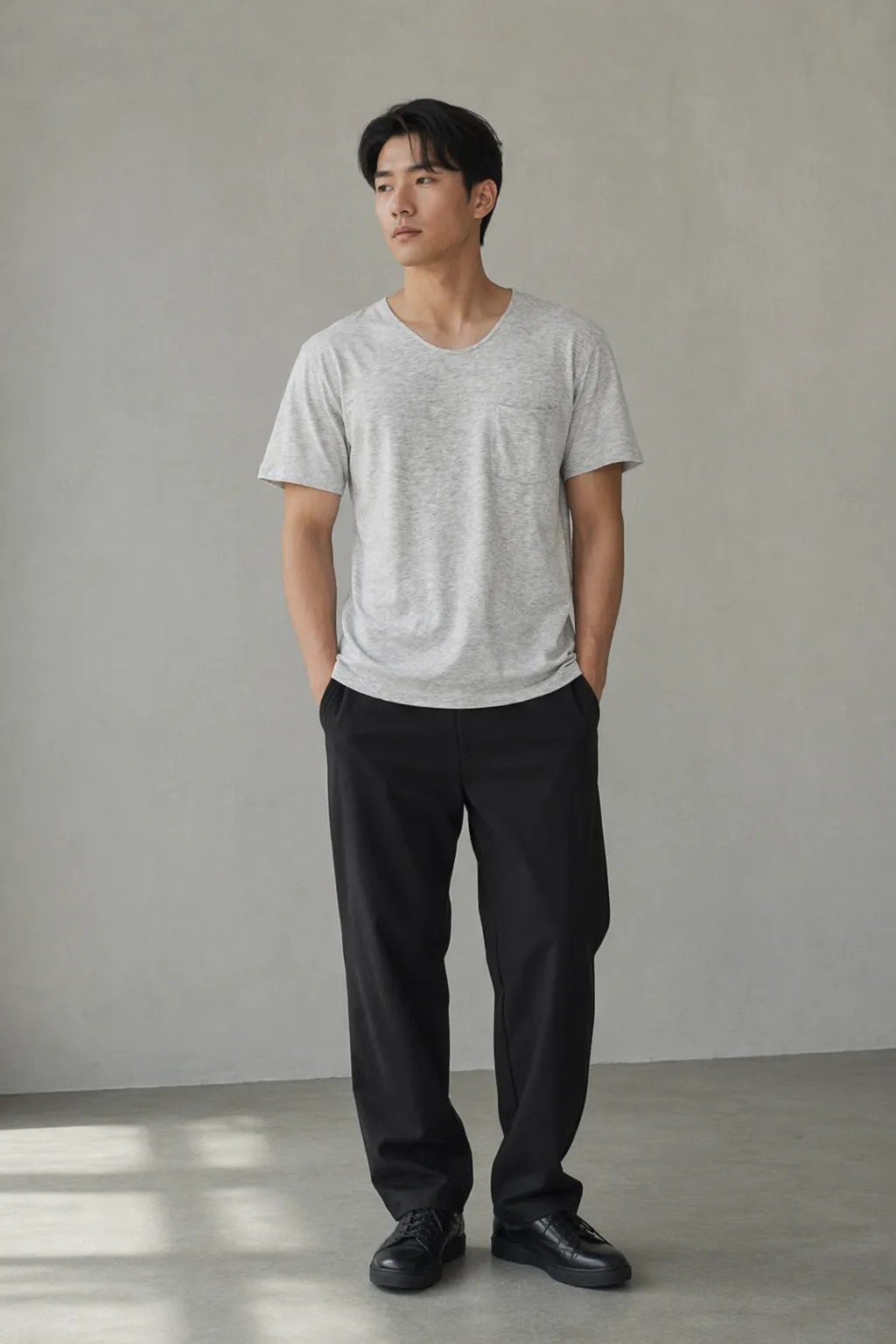
Knitwear
T-shirts, polos and sweats in jersey, rib and fleece, with fit, weight and finish developed to your brief.
View rangeSurajmal Shobhachand handles knitwear, woven garments, denim, fabrics and yarns for Canadian private-label ranges. Seasonal repeats and orders shared with the US can start from one development brief, with each destination version approved separately. Production through India or Bangladesh is assessed against the product, quantity, certification and delivery requirements.
T-shirts, polos and sweats in jersey, rib and fleece, with fit, weight and finish developed to your brief.
View range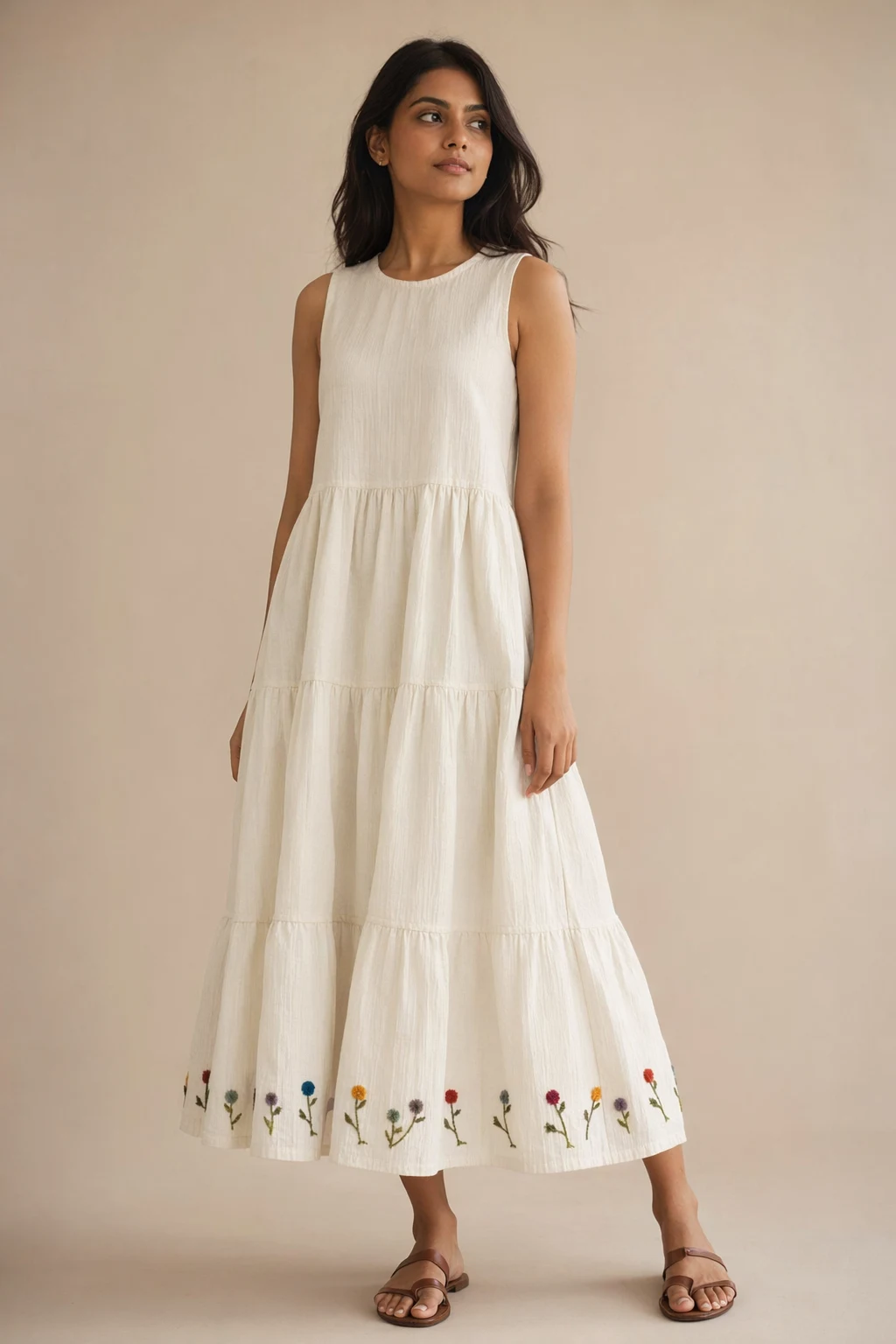
Shirts, blouses, dresses and trousers, from repeat styles to seasonal collections for women, men and children.
View range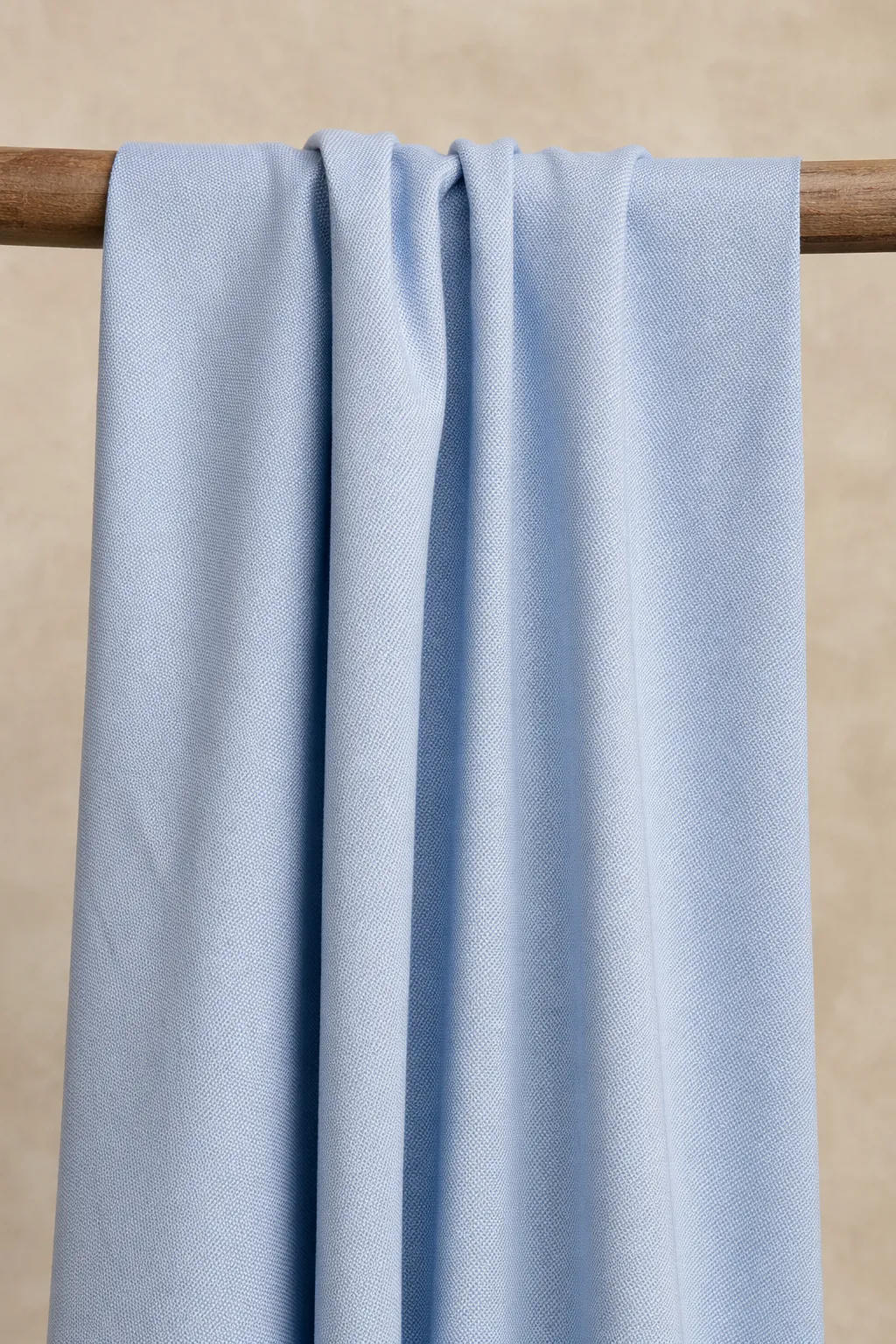
Woven and knitted cloth, greige, dyed or finished, to the composition, weight and usable width in your brief.
View range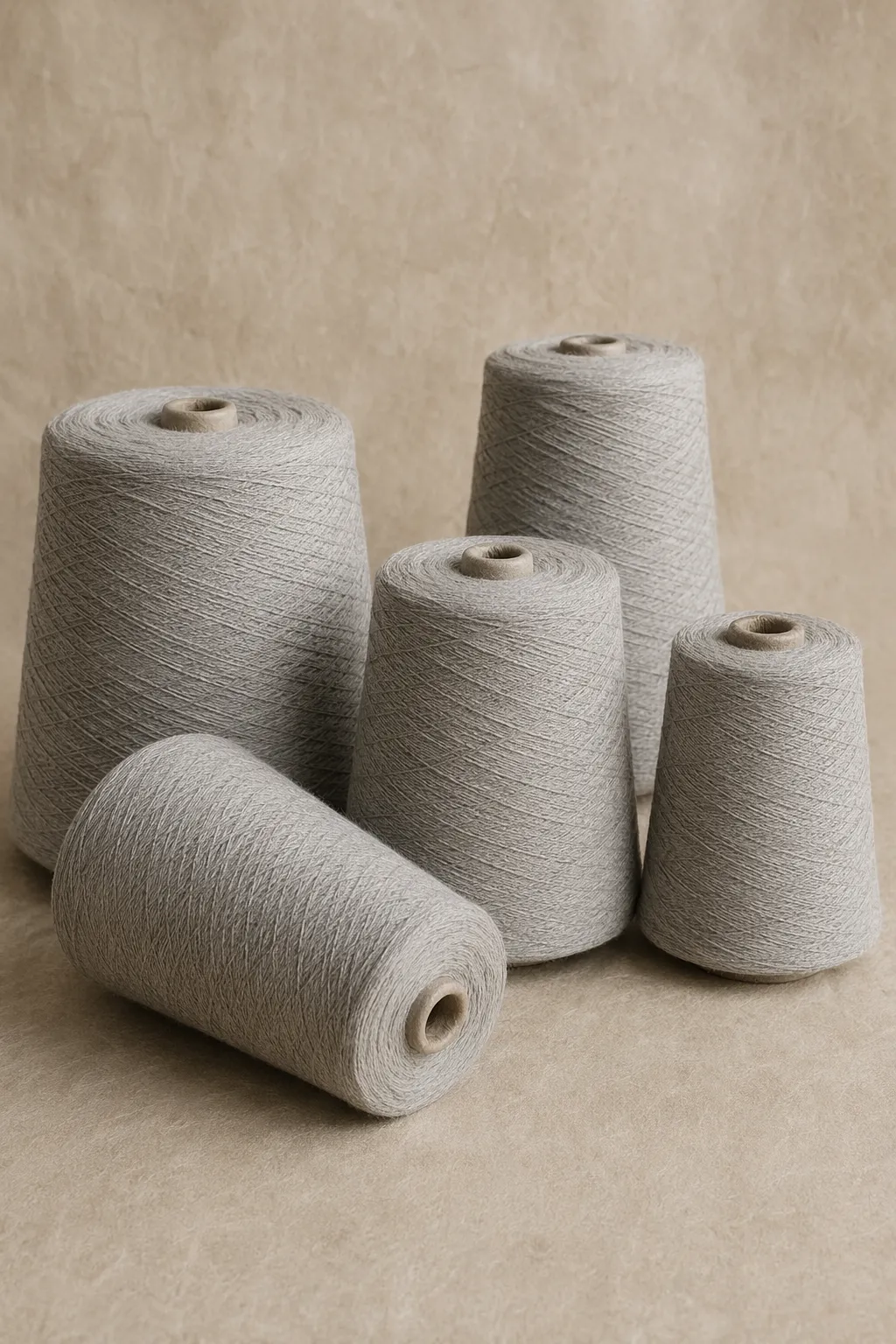
Ring-spun, open-end, combed and carded options, with count and blend matched to your end use.
View rangeRepeat styles need a dependable fabric and fit reference, alongside artwork prepared for their sales destinations. Surajmal Shobhachand keeps those approvals together so a shared range can retain distinct Canadian and US versions.
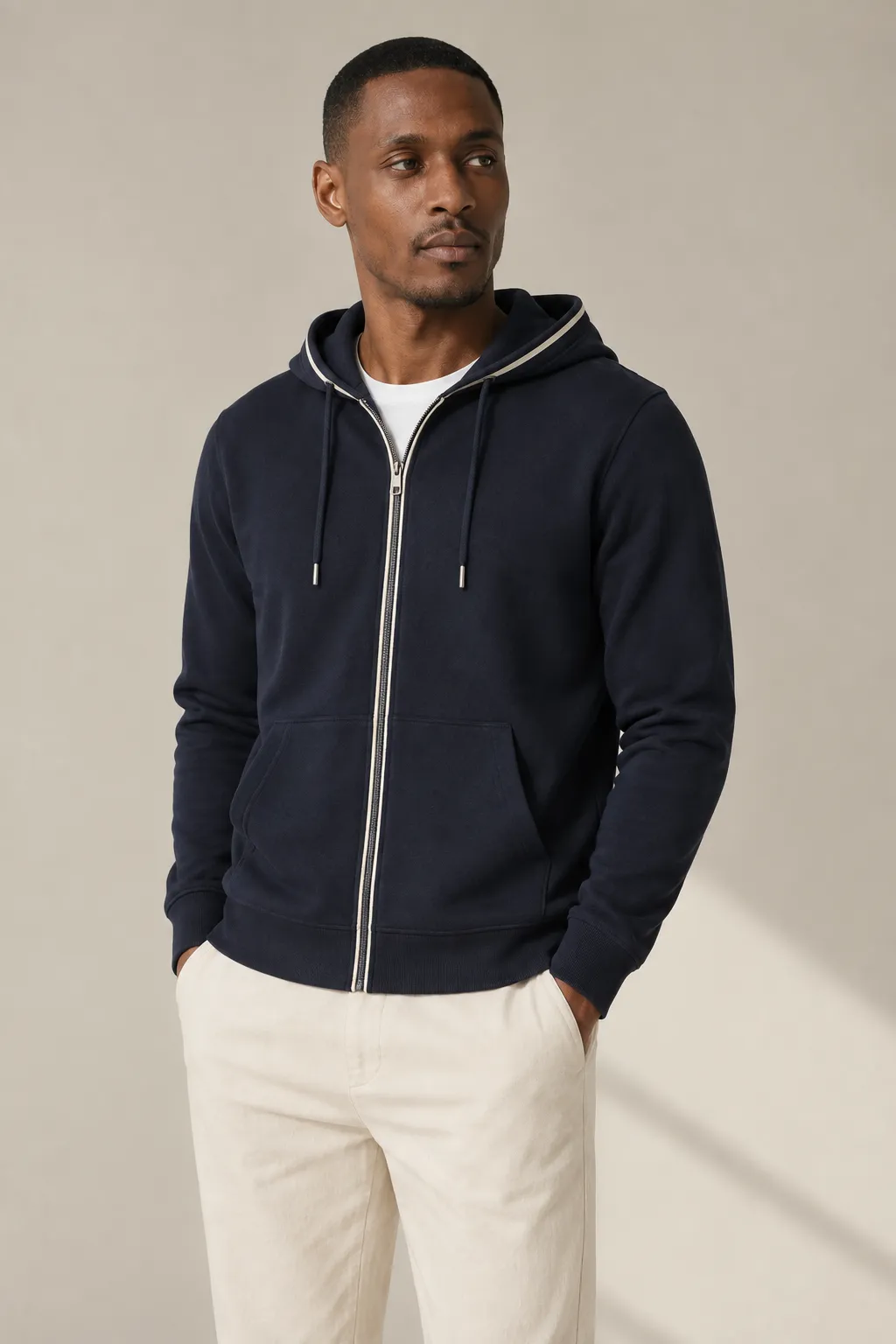
Approve fabric handle, weight, fit, zip and trim standards against a sealed development sample.
Provide dealer identification and sales destinations so the fibre declaration and language set can be reviewed before physical labels are made.
Record Canadian and US quantities, artwork versions and the agreed testing requirements within the shared style brief.
Retain the approved sample and colour references, then approve carton allocation and destination identification for the order.
We classify articles, set disclosures in artwork and hand over test and inspection evidence.
We place the dealer name and postal address, or a registered five-digit CA Identification Number prefixed “CA”, in the artwork.[1]
Fibres at 5% or more are named with percentages. Those below 5% follow the applicable declaration rules and exceptions.[1]
The federal fibre declaration is prepared in English and French, except where the article is sold in an area where only one official language is continuously used for consumer purchases and the declaration is shown in that language. Dealer identification and additional Quebec requirements are checked separately.[1]
We classify the article before artwork because most apparel uses a permanent disclosure label while specified exceptions can use a non-permanent label.[2]
A physical label is approved before bulk. Post-import relabelling uses the formal notification and inspection route before sale.
Guidance last reviewed 27 July 2026 · Disclaimer
Surajmal Shobhachand plans the garment sample and label approvals together. Share the seasonal delivery target, any repeat quantities and whether the same style will also be sold in the US.
After brief confirmation; development scope agreed at the start.
After approval, depending on construction and quantity.
Set per style or material and confirmed at enquiry.
Production and shipping planned against your required arrival date.
For fabric, yarn and specialist development, we confirm sample and production timings against your brief.
Yes. We prepare the federal fibre declaration in both languages, with dealer identification and additional Quebec requirements checked separately.[1]
Yes. A registered five-digit number prefixed “CA” can replace the dealer name and postal address in the approved artwork.[1]
Yes. We define and approve the Canadian and US label content, testing scope and documentation sets during development.
We work across a wide range, from small and emerging brands to the largest global retailers. Minimums are set per style and confirmed at enquiry.
Tell us the product or material, quantities, Canadian sales destinations and arrival target. Include dealer identification, any existing artwork and any US allocation in the same brief.
Discuss your requirement→We respond within 24 hours with the next steps for development and costing.