

Surajmal Shobhachand supplies crepe dresses, trousers, blouses and co-ords from India. Moss crepe and crepe de chine are sourced to your brief.
Crepe has a crinkled, puckered or pebbly surface. Woven crepe can have highly twisted yarns in the warp, weft or both.
Crepe garments we supply
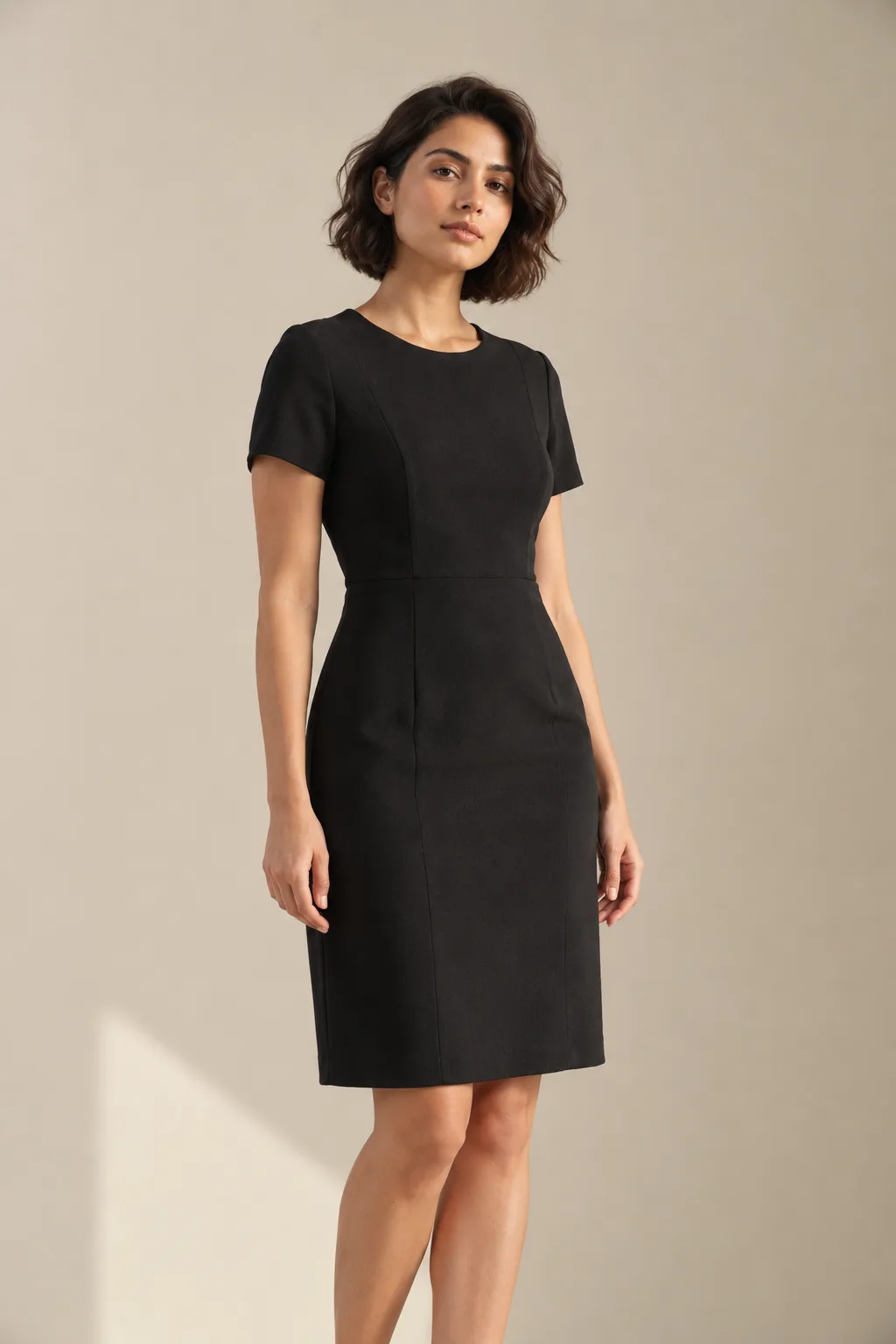
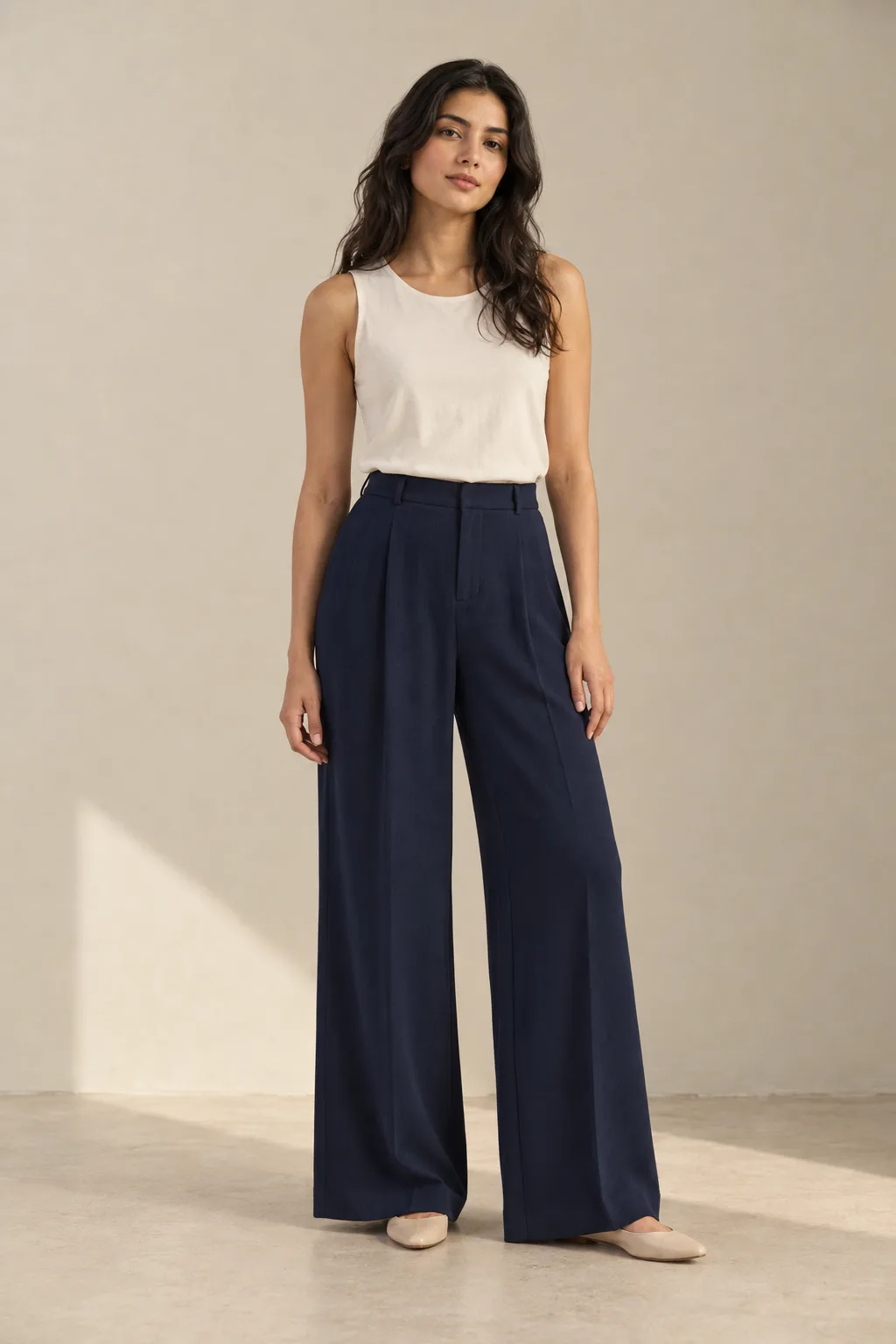
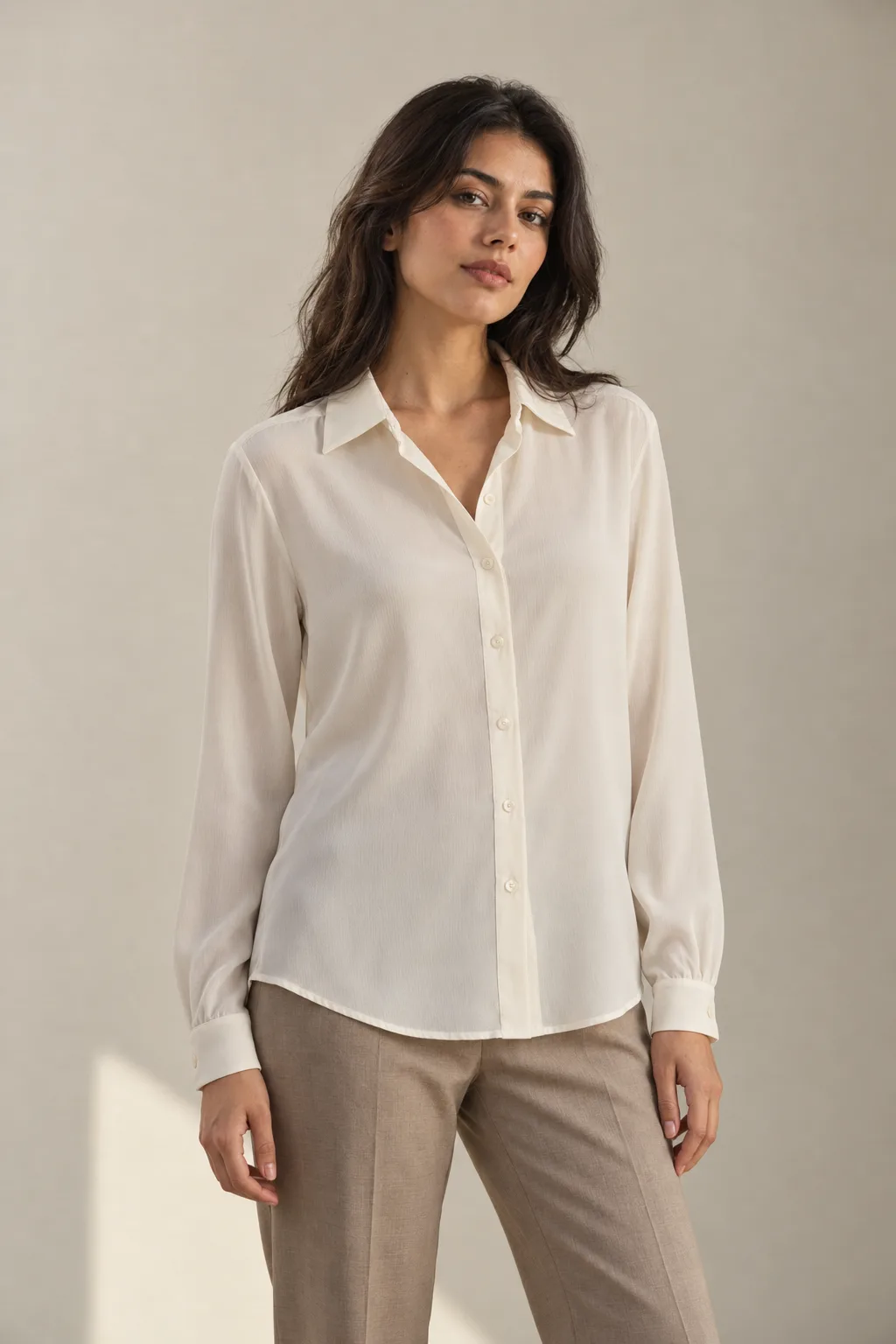
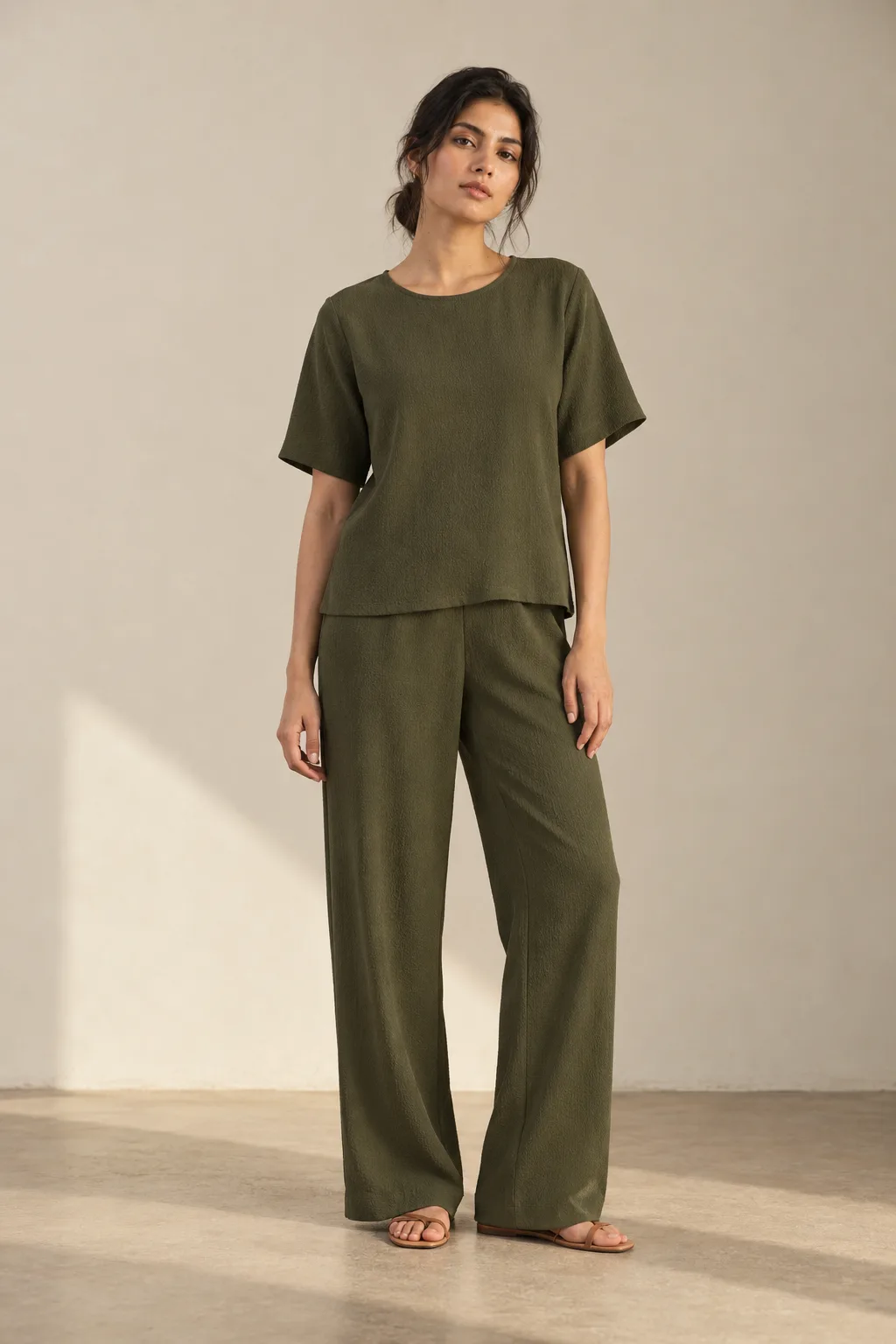
Have a style in mind? Send a reference garment and the quantity, and we quote it in crepe.
Request a similar style→Choosing the crepe surface
The pebbly surface usually comes from highly twisted yarns in the warp, the weft or both. Moss crepe can use a plain or small-dobby weave.
Use a fabric reference to specify the grain and drape for your garment.
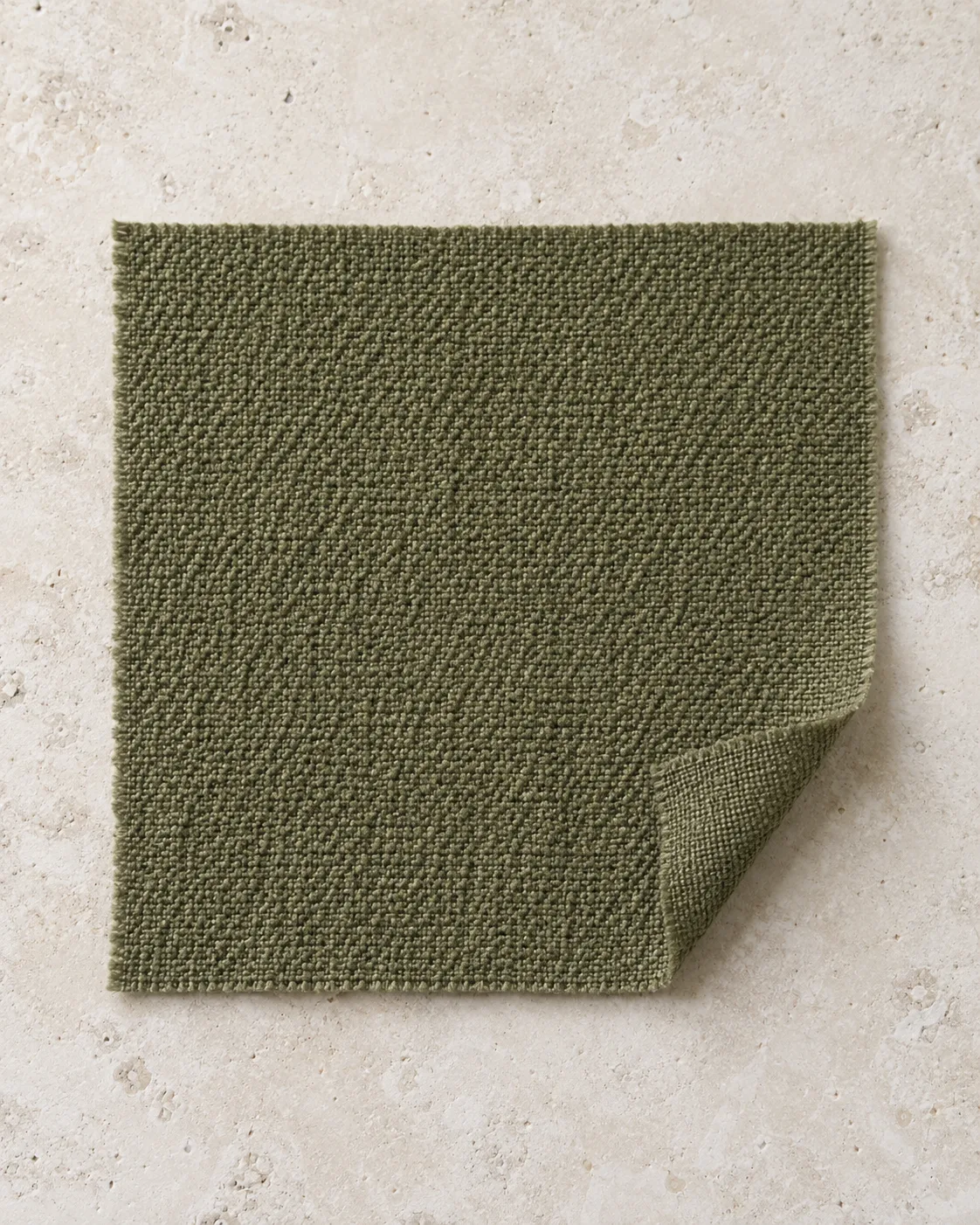
Enquire about a crepe fabric quality
Send a fabric reference showing the surface and drape, the target weight and metres required for a fabric quote.
Specifying crepe on a tech pack
- Style and quantity
- Give the style reference, sizes and quantity.
- Supply format
- Specify fabric or finished garments.
- Quality
- Name the crepe quality, or leave it undecided.
- Surface and drape
- Attach a reference swatch and state the lining required.
- Fibre content
- State each fibre and its percentage.
- Finished GSM
- Set the weight and tolerance. Use the GSM calculator for a weighed swatch.
- Usable width
- Give the width required for fabric supply.
- Stretch
- Specify the direction and recovery required, if any.
- Colour or print
- Include the colour reference or artwork and colourways.
- Seams
- Set the seam construction and appearance required after care.
- Care and dimensions
- Crepe made from overtwisted yarns is prone to shrinkage. State the intended care and allowed length and width change.
- Pressing
- Pressing can flatten heavy crepes and reduce their crepe appearance. Set the pressing conditions and acceptance requirements.
Not sure of every line? Tell us what you are planning, and we will advise on what works best.
Send this as a brief→Tests for crepe garments
Select the methods for the cloth and intended care. Include test conditions and acceptance limits in the brief.
| Test | Method | What it measures |
|---|---|---|
| Fabric dimensions[1] | AATCC TM135 | Fabric length and width changes after home laundering. |
| Skew[2] | AATCC TM179 | Change in fabric skew after home laundering. |
| Colourfastness to laundering[3] | ISO 105-C06 | Colour loss and staining; a single (S) test approximates one domestic or commercial wash. |
| Colour transfer by rubbing[4] | AATCC TM8 | Amount of colour transferred from the textile surface by rubbing. |
| Woven seam slippage[5] | ISO 13936-2 | Resistance to yarn slippage at a sewn seam in woven fabric. |
Common questions about crepe
Do you supply crepe fabric separately from finished garments?
Yes. We supply crepe fabric on its own, by the metre.
How should we specify crepe fibre content?
List the fibres and their percentages for the chosen crepe quality in the tech pack.
Is crepe fabric stretchy?
It can: cotton crepe can stretch. Set the stretch direction and recovery you need, and check the selected quality against them.
How should we specify wrinkle behaviour?
Set a crease-recovery requirement for the selected quality. Include the appearance required after wear and care in the sample brief.
How should we compare crepe and satin for a garment?
Compare the surface and folds of your reference swatches with the style. See satin for satin and satin crepe.
How do we choose between crepe, georgette and chiffon?
Compare swatches against the garment's drape and coverage requirements, with the intended lining. See georgette and sheer fabrics for the fabric brief.
A question this does not answer? Ask us directly and we reply within 24 hours.
Planning a crepe range?
Send the tech packs, sizes and quantities for each style in your crepe range for a quote.
Discuss your requirement→