

Surajmal Shobhachand supplies digitally printed T-shirts, co-ords, dresses, kidswear and fabric from India.
Textile inkjet printing deposits ink droplets onto fabric according to a pattern in a digital file.
Digitally printed garments we supply
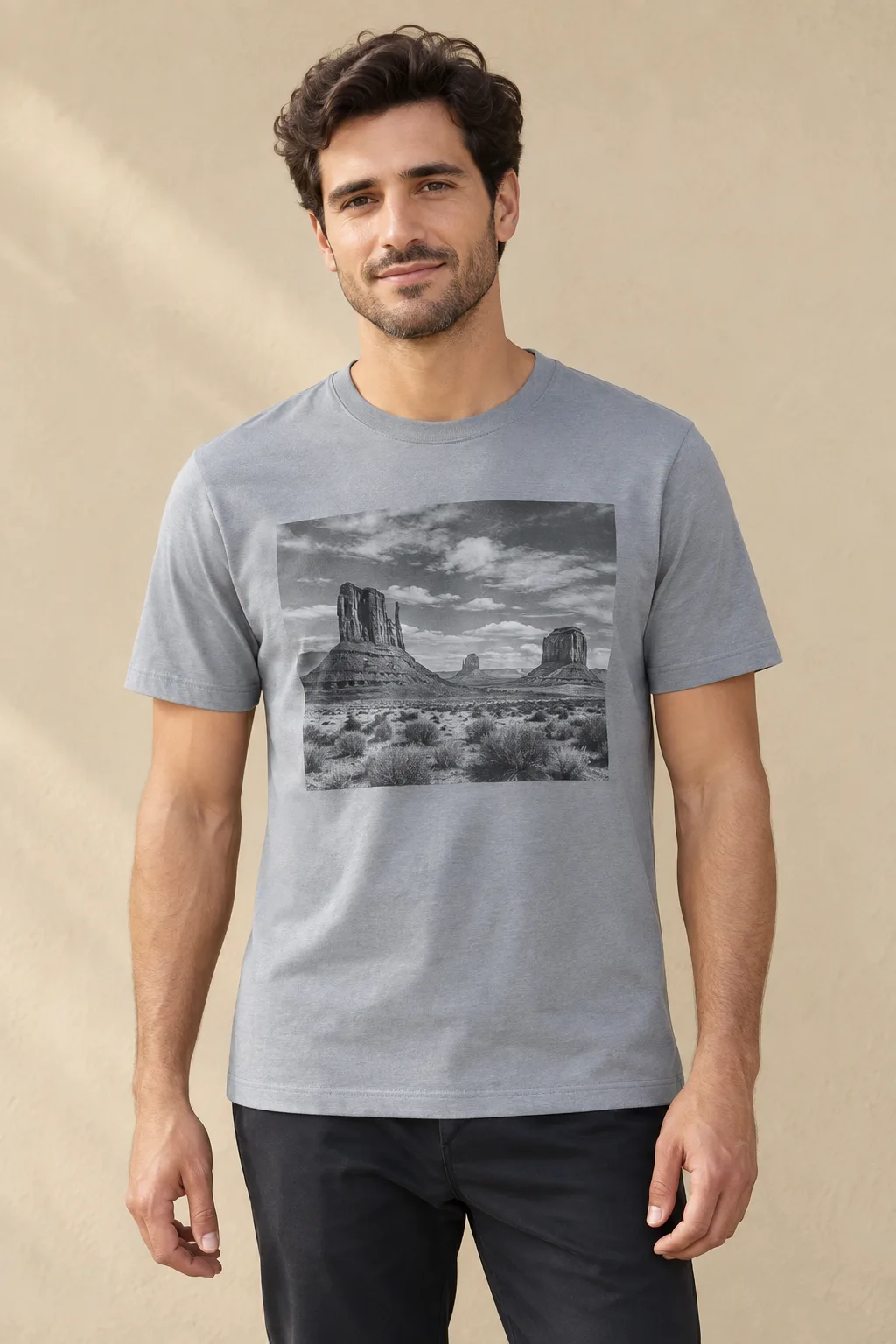
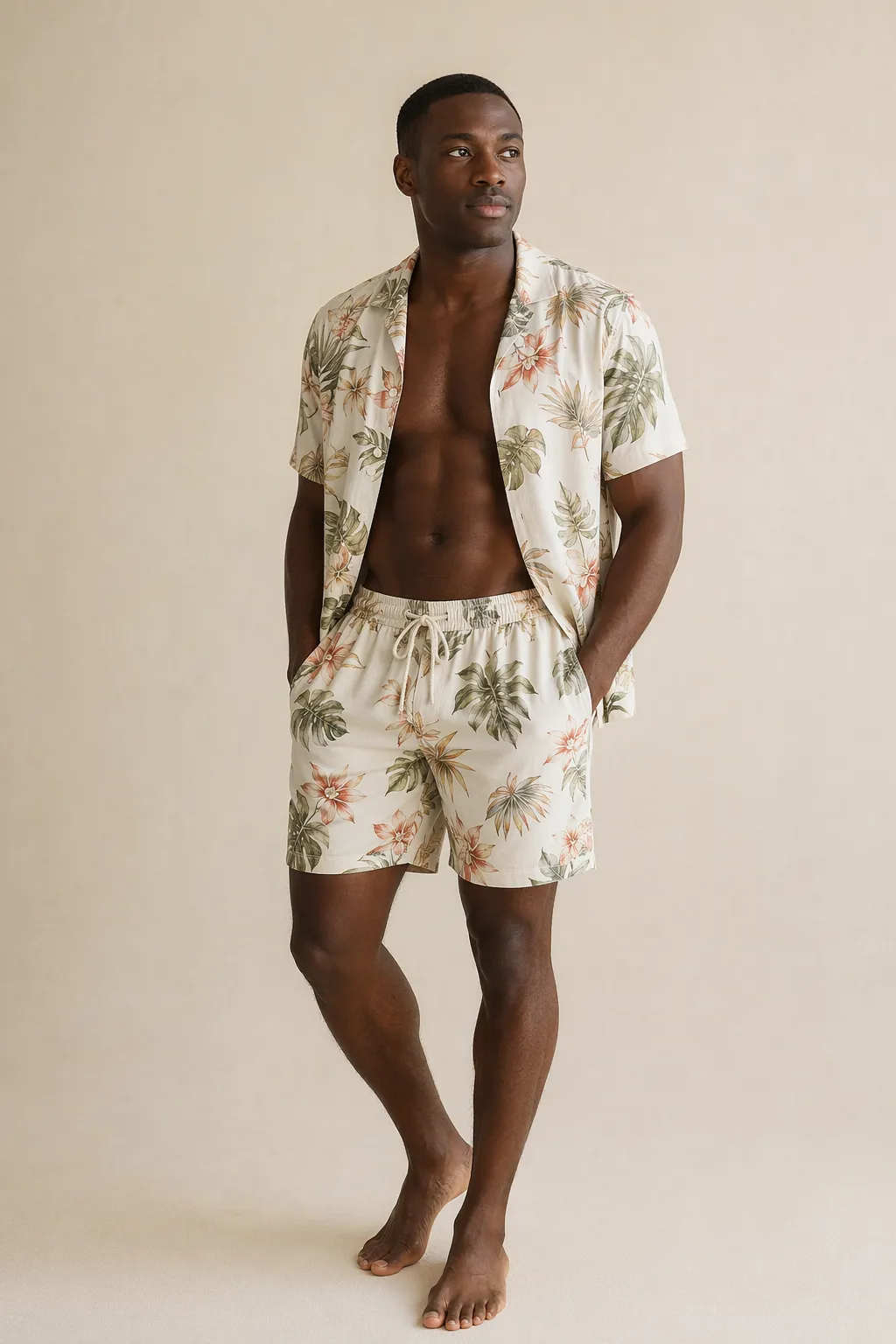
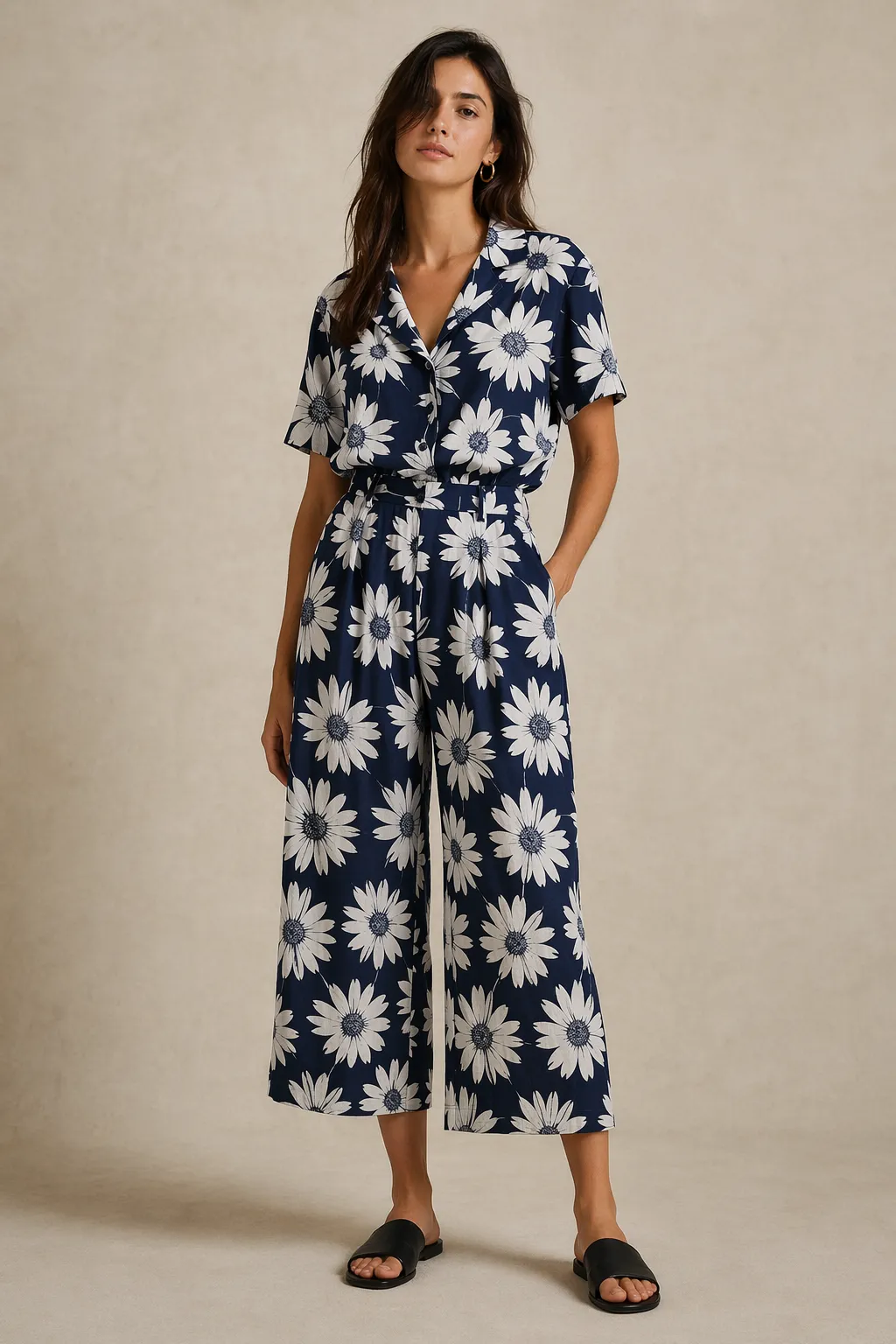
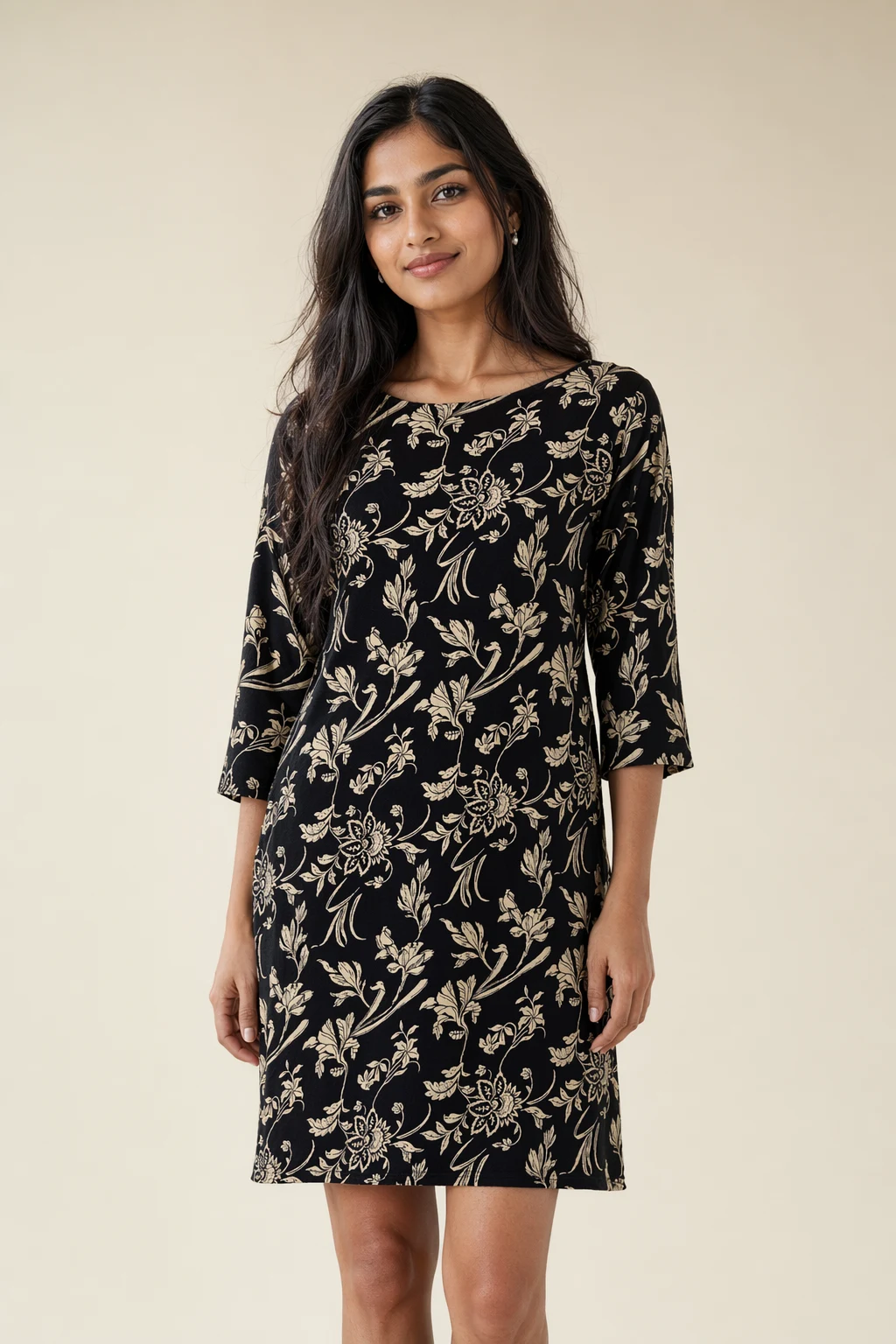
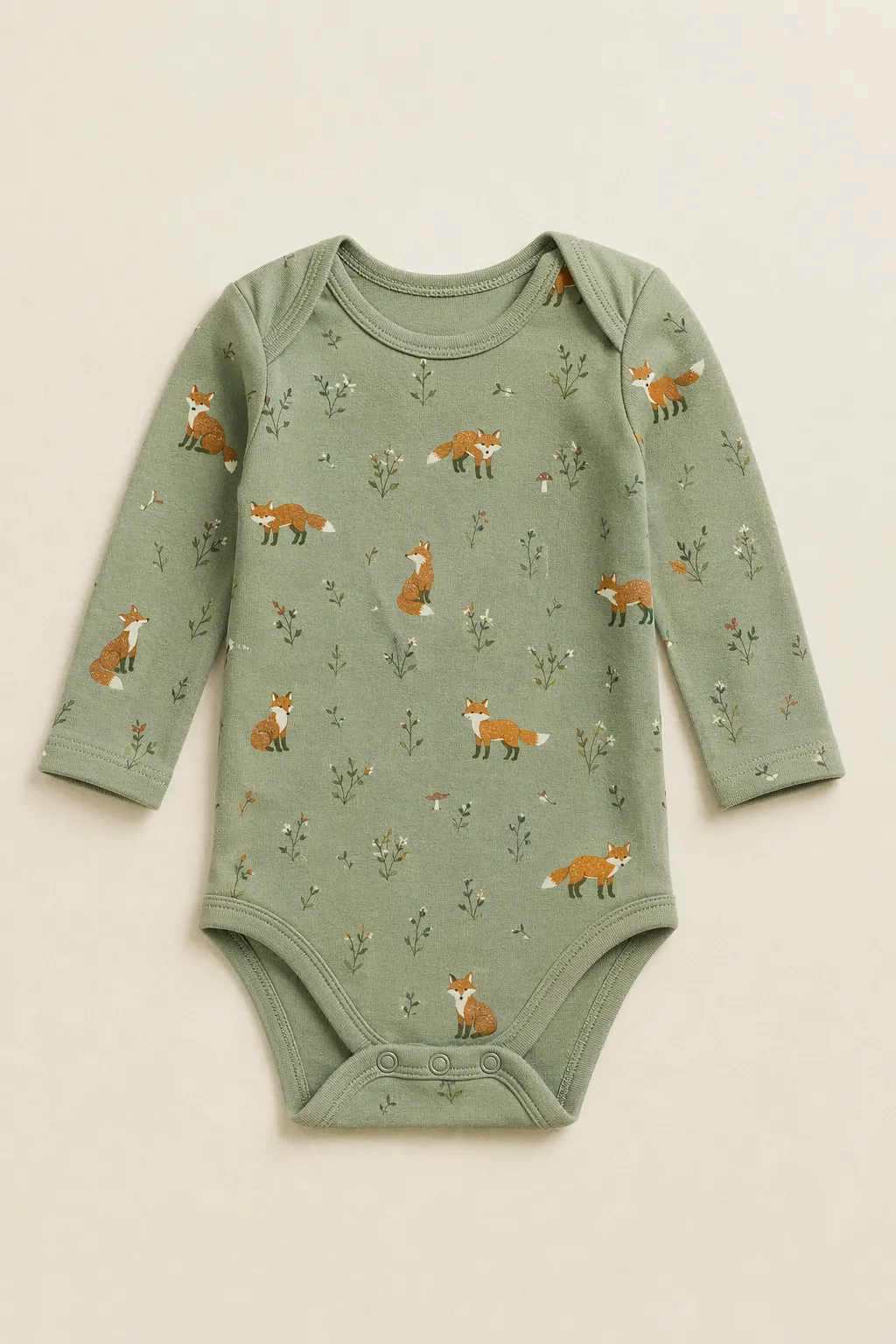
Have a style in mind? Send a reference garment and the quantity, and we quote it with digital printing.
Request a similar style→Digital or screen preparation
Digital printing
No screen is needed, which reduces sampling costs.
Screen printing
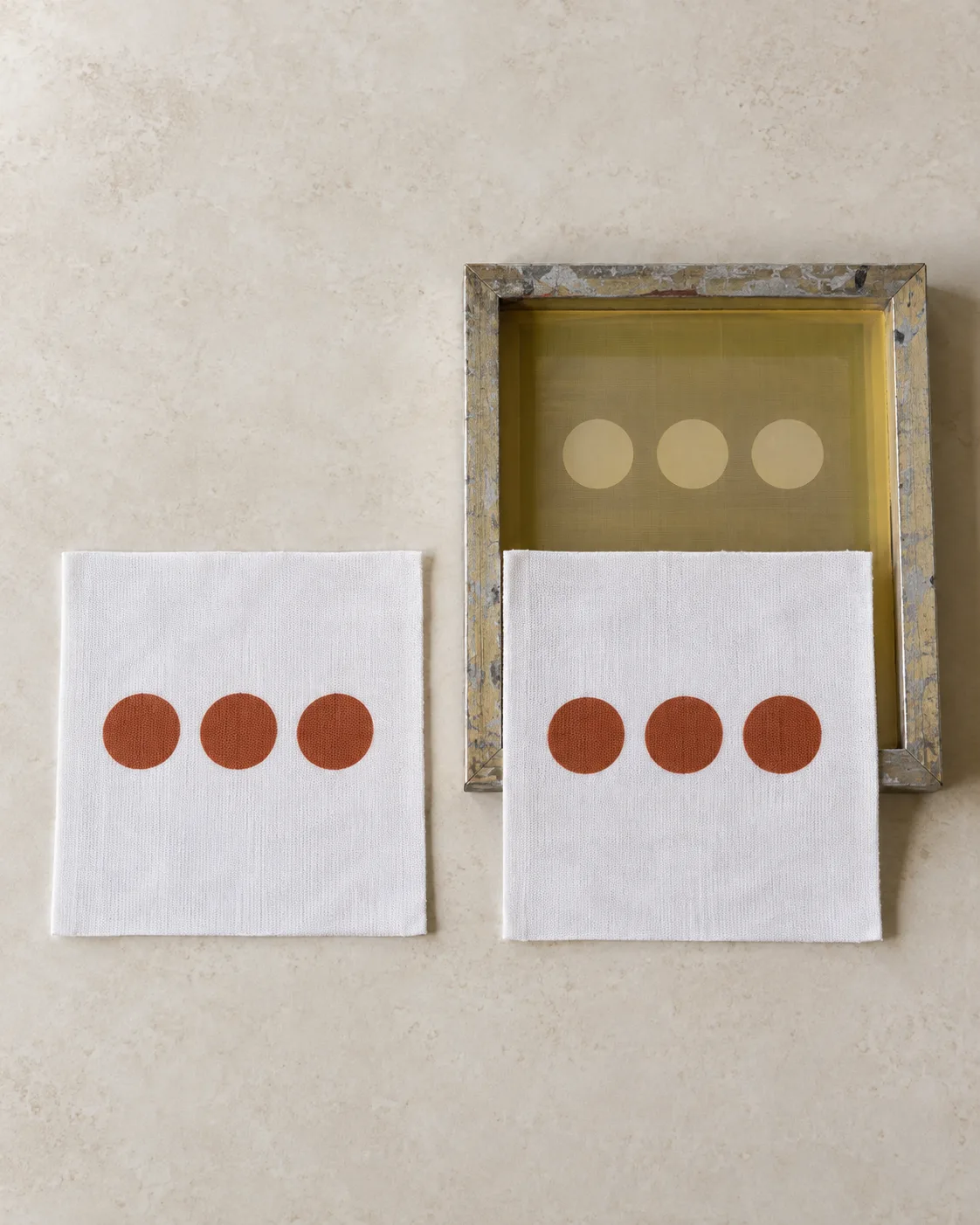
A stencil blocks the areas that stay unprinted. Ink passes through its open areas, with a separate screen prepared for each colour.
For screen-print ink and hand choices, see screen printing.
Quote the same design both ways
Send the artwork or a reference image, fabric specification and quantity per design. We quote digital and screen printing for the same garment and print effect.
On the garment or on the fabric
Garment placement
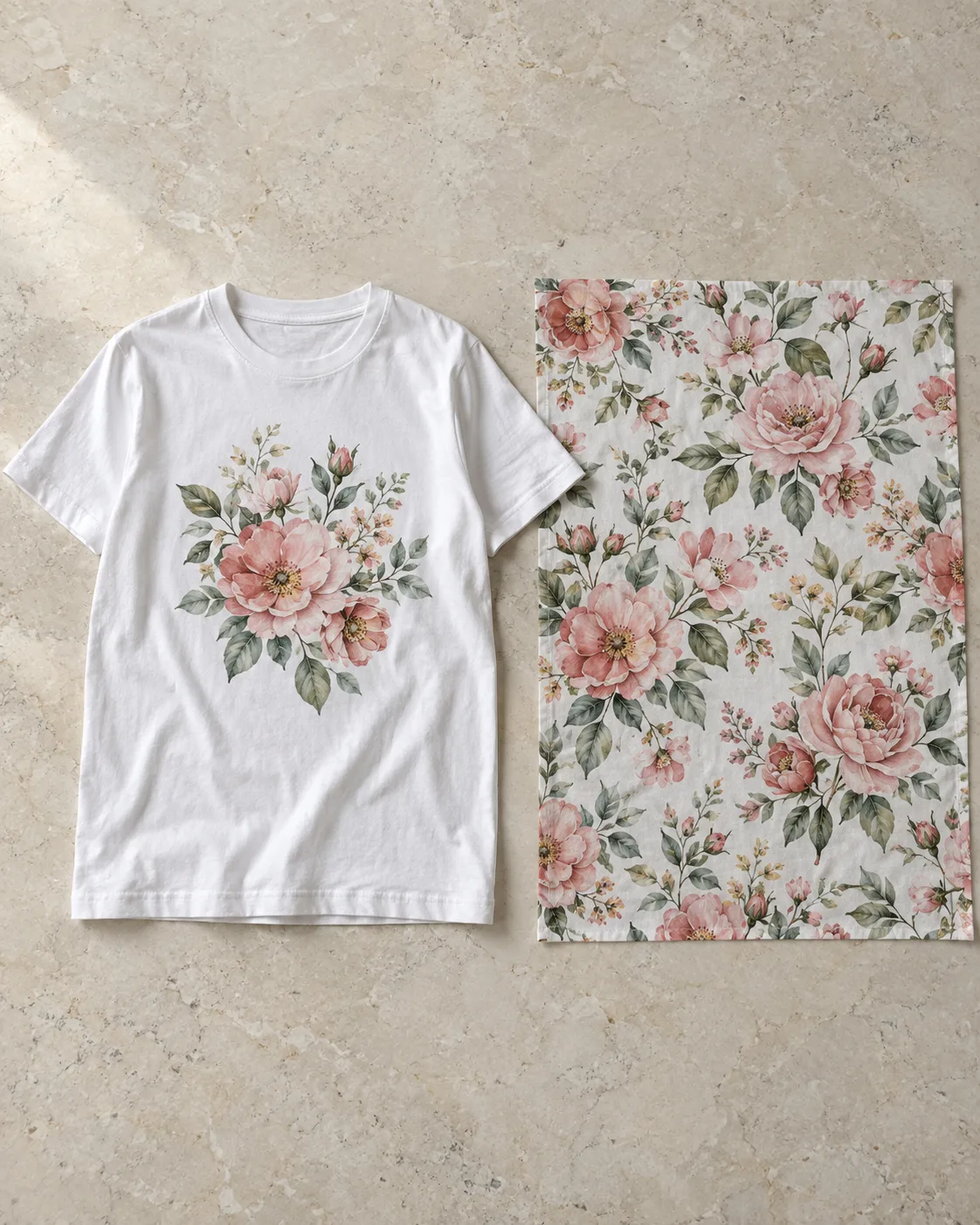
Give the motif size and its position on the garment.
Printed fabric
Specify an all-over repeat for a pattern across the garment, with the repeat width and height.
State whether the order is for printed garments or fabric.
Which ink for which fibre
Use the fibre content to specify the requested ink system.
- Reactive
- Reactive dye inks are commonly used on cotton and other cellulosic fabrics.
- Acid
- Acid dye inks are used on polyamide, silk and wool.
- Disperse
- Disperse dye inks are used on polyester.
- Pigment
- Pigment systems can suit cotton, polyester, silk and wool. Specify the fibre and ink system together.
A garment quote in your print and colour
Send the artwork, reference garment or tech pack and quantity. Include the chosen fibre and ink system, ground colour and finish to match. We quote the digitally printed garment.
Specifying digital printing on a tech pack
An artwork link or reference image is enough to start an enquiry. Email attachments to info@surajmal.com.
- Artwork link
- Link the artwork or reference image and give its intended print dimensions.
- Garment or fabric
- Name the garment and sizes, or the fabric width required. See fabrics for construction references.
- Fibre content
- List each fibre and its percentage.
- Construction and GSM
- State the weave or knit construction and fabric weight.
- Ground colour
- Give the base fabric colour.
- Print effect and process
- Describe the required print effect and name the requested process or ink system.
- Placement or repeat
- Give the motif dimensions and position from a fixed garment point, or the repeat width and height.
- Colour references
- Include a reference for each shade to match.
- Quantity per design
- Give garment quantities by size, or metres of fabric required.
- Care and tests
- State the intended wash conditions and required colourfastness grades.
Not sure of every line? Tell us what you are planning, and we will advise on what works best.
Send this as a brief→Tests for digitally printed garments
| Test | Method | What it measures |
|---|---|---|
| Colourfastness to laundering[1] | AATCC TM61 | Colourfastness under accelerated laundering for textiles washed frequently. |
| Colourfastness to rubbing[2] | ISO 105-X12 | Colourfastness in separate dry and wet rubbing tests. |
| Colourfastness to light[3] | AATCC TM16.3 | Colourfastness of textile materials exposed to light. |
Common questions about digital printing
Do you supply digitally printed clothing for brands?
Yes. We make printed clothing to your design and label. See private label for collection development.
Can we buy digitally printed fabric without ordering garments?
Yes. We supply fabric on its own, by the metre.
How does digital printing differ from sublimation?
Digital printing puts ink droplets straight onto the fabric, using disperse dye inks on polyester. Heat-transfer sublimation prints disperse dye on paper first, and heating turns that dye into a gas. See sublimation printing for this process.
What should we specify for a DTF print?
For direct-to-film (DTF) printing, state the transfer film, powder and heat-press conditions in the tech pack. Include the fabric specification and intended care.
What is the digital pigment printing process?
Digital pigment printing uses a binder to attach pigments to the fibres. Heat-cured systems fix the print by heating. Specify the preparation and curing conditions for the chosen ink.
How should we compare digital and screen printing durability?
Compare garment samples against the same laundering and rubbing requirements. Specify the care conditions and minimum grades for both prints.
A question this does not answer? Ask us directly and we reply within 24 hours.
Developing a printed collection?
Send the collection brief with styles, artwork links and quantities per design.
Discuss your requirement→